Shaping Your Outdoors. Surpassing Expectations.

Tukwila English Laurel Trimming
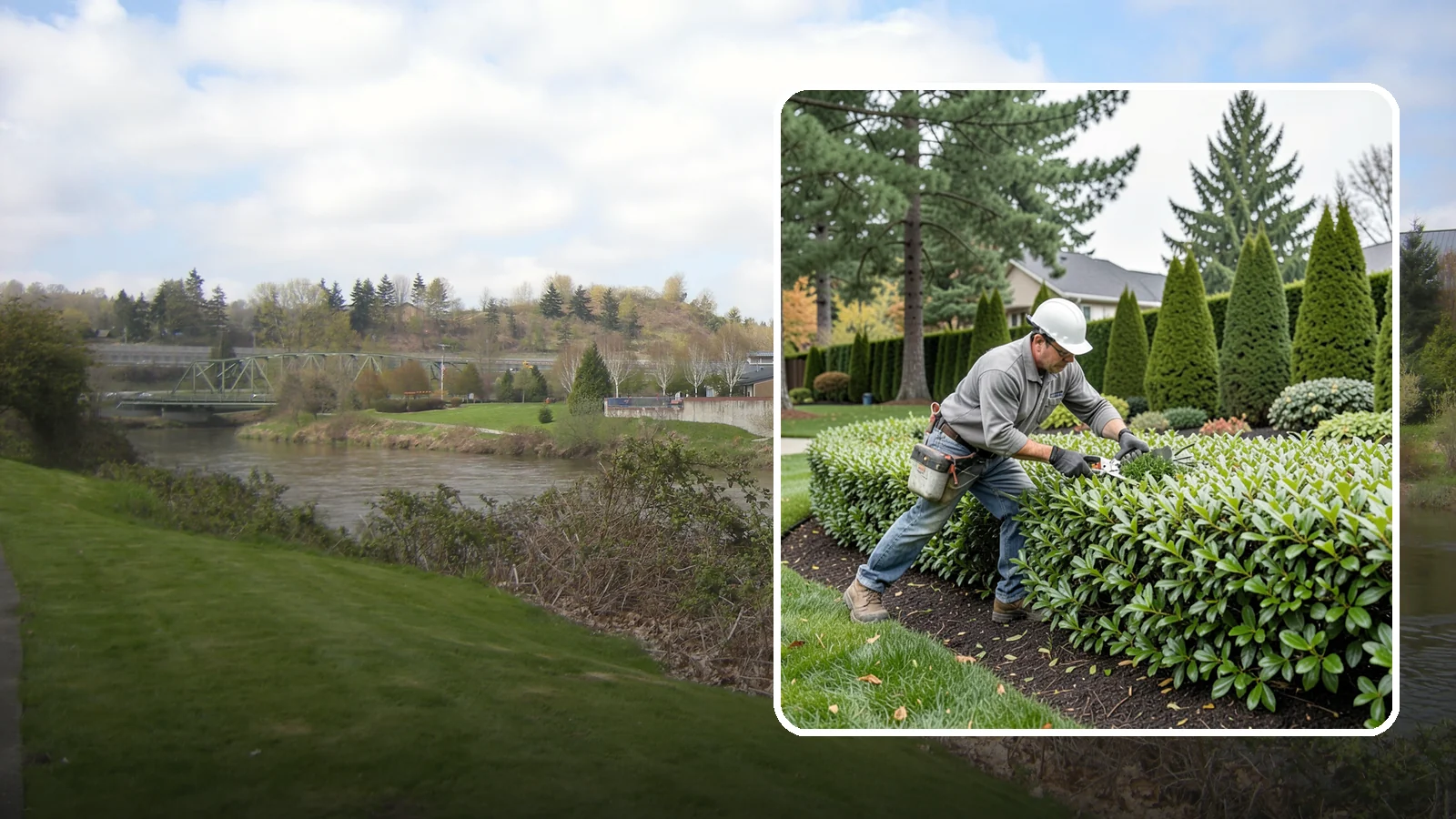
Clean, health-focused English laurel trimming that tames this vigorous broadleaf screen while protecting its large glossy leaves.
The best window for trimming English laurel in Tukwila falls inside the frost-free growing season, which runs about March 11 to November 17 by the median. Frost can come earlier or later in a given year. Laurel pushes new growth in spring, so a trim after that flush keeps a hedge tidy for longer.
Washington Landscaping has an ISA Certified Arborist on staff, which helps when a hedge is overgrown or crowds a tree. This page covers how to plan the job, what changes its scope, and what to expect on the day.
Planning English Laurel Trimming in Tukwila
Start by deciding what you want the hedge to be. Some homeowners want a light tidy of this year's growth. Others want a hedge cut back in height or width because it has crept over a fence, a walkway or a neighbor's line. Those are different jobs, and it helps to say which one you have when you ask for a free estimate.
What affects the scope
Height and length are the biggest factors. A tall hedge needs ladders or other access gear and takes longer to clean up. Thickness matters too. Laurel has large, tough leaves, and a hedge that has not been cut in years can have a dense woody interior. Cutting hard into old wood is a bigger decision than shearing new growth, and laurel does not always regrow evenly from it. A plain conversation about how far back to go is worth having first.
Access also counts. A hedge against a building, a slope or a fence is harder to reach than one in open lawn. Debris haul-off adds work, since laurel clippings are bulky.
Tree canopy covers about 19.3% of Tukwila (USFS/NLCD 2025). That is a citywide figure, and your own yard may differ. If a hedge sits under or beside trees, branches may need to be worked around, and the arborist on staff can advise.
What to expect
Expect the crew to mark the line you agree on, cut the top and sides, and clean up the clippings. Fresh cuts through laurel leaves can look ragged for a short time, because leaves cut in half turn brown at the edge. Many people prefer hand pruning of individual stems for that reason, and it is worth asking about on a smaller hedge.
Timing matters in summer too. July and August are dry in Tukwila, at about 0.48 in and 0.83 in of rain on average (Daymet, 2005-2025). A heavy cut just before a dry spell exposes new tissue to stress, so a hard cut is usually better done earlier in the season, with some watering afterward if the weather turns dry.
One practical tip: walk the hedge before the visit and tie ribbon where branches hit a fence, wire or roofline. It shows exactly where the cut needs to go.
Tukwila yard conditions at a glance
| USDA hardiness zone (2023) | 9a |
|---|---|
| Last / first frost (median) | Mar 11 / Nov 17 |
| Tree canopy | 19.3% of the city |
| Share of rain October to April | 82% |
| Dry months (under 1.25 in) | July and August |
A year in a Tukwila yard
- Late winter
- Dormant pruning for most deciduous trees and shrubs, before buds break.
- Spring
- Last frost is usually around Mar 11; in 1 year in 10 it comes on or after Mar 27. Plant frost-tender annuals and vegetables after that.
- Early summer
- Check sprinklers and drip lines before July, the start of the dry months here.
- Summer
- July and August average 0.5 in and 0.8 in. Water deeply and less often; mulch beds to hold moisture.
- Fall
- Aerate, overseed and plant trees and shrubs while the soil is warm; first frost is usually around Nov 17. Winterize irrigation before then.
- Winter
- About 26 days a year freeze at night and thaw by day: keep drains, paver joints and wall weep holes clear.
Dates are medians for the city from Daymet 2005-2025; your yard and any given year can differ.
Sources: Daymet daily weather (NASA/ORNL), 2023 USDA Plant Hardiness Zone Map data (PRISM, Oregon State University), USDA SSURGO soil survey, USGS 3DEP elevation, USFS/NLCD tree canopy 2025, US Census ACS 2020-2024.
Tukwila English Laurel Trimming
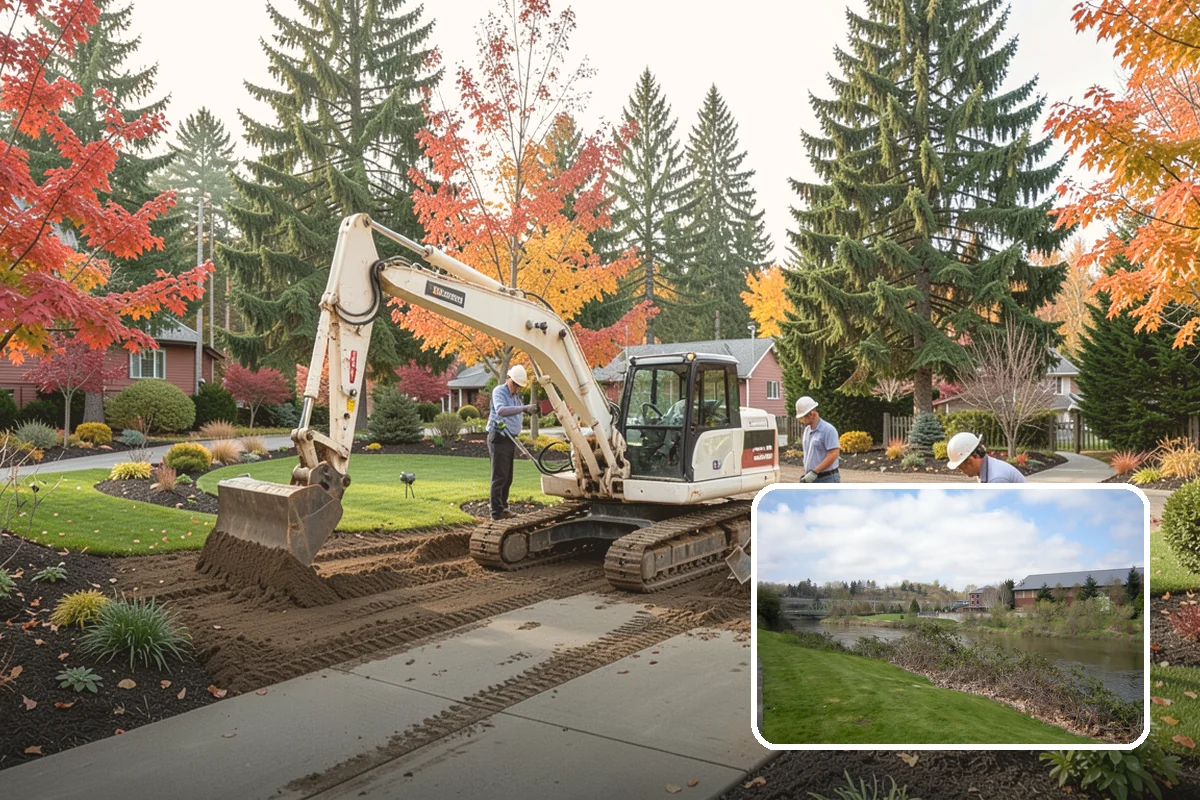
Local Service Information
Tukwila
A city in the Green/Duwamish river valley of south King County, a major retail and commercial hub.
Benefits
Controls vigorous, fast annual growth; Keeps large leaves whole and glossy instead of shredded; Tolerates hard renewal cuts thanks to strong regrowth; Improves airflow to reduce shot-hole and mildew; Restores clean, defined edges on overgrown screens
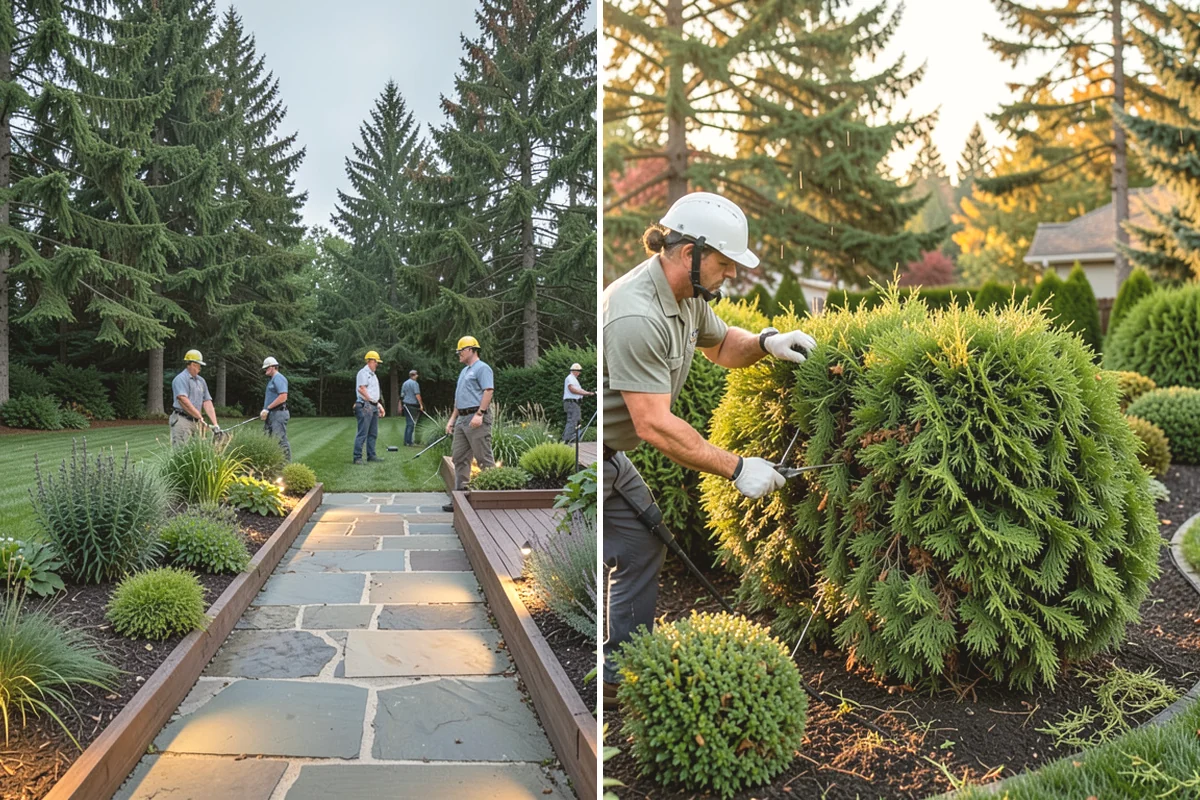
Process
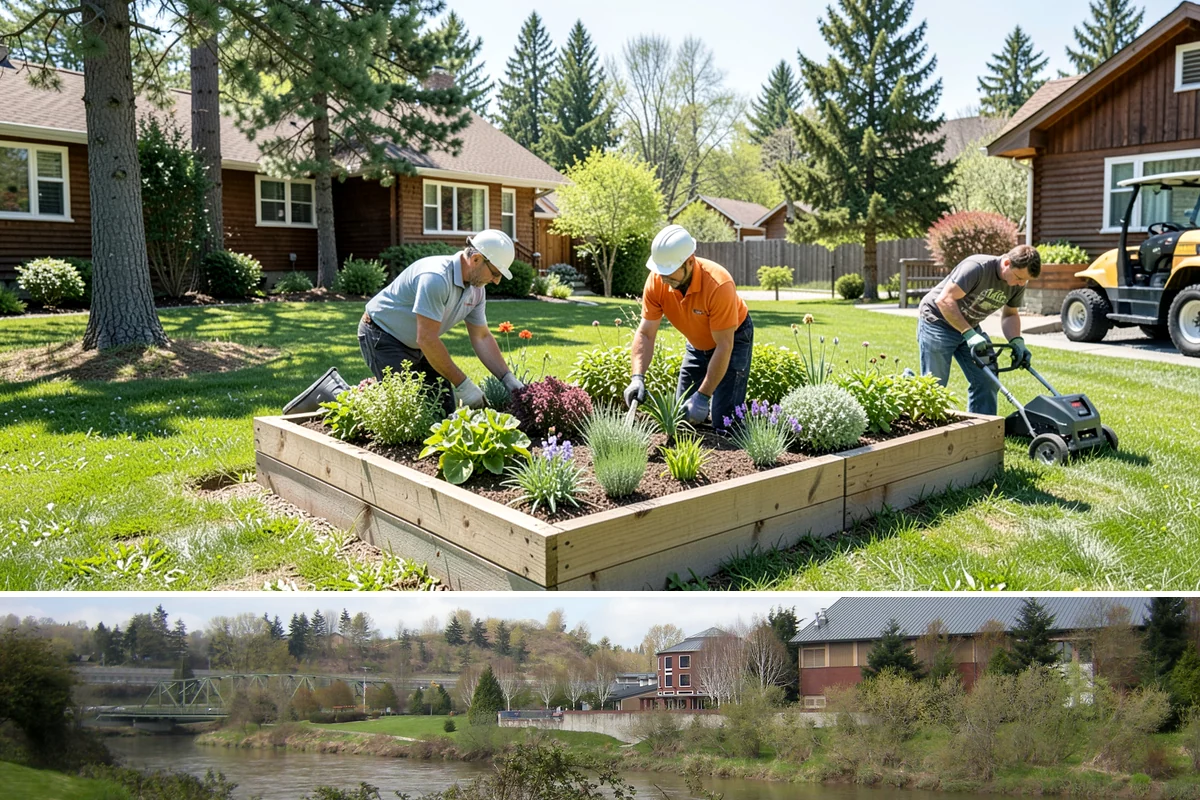
Also serving Tukwila
- Crown reduction in Tukwilaat Washington Tree Services
Get a Free English Laurel Trimming Estimate in Tukwila
Tell us about your project. We’ll review your needs and provide a customized, no-obligation proposal.
Request a Free Consultation
Complete the form or call our team to discuss your project.
On-Site Assessment
We’ll review your property, discuss your goals, and recommend an appropriate solution.
Receive a Customized Proposal
Receive a detailed estimate outlining the proposed work and pricing.