Shaping Your Outdoors. Surpassing Expectations.

Tukwila Garden Bed Maintenance
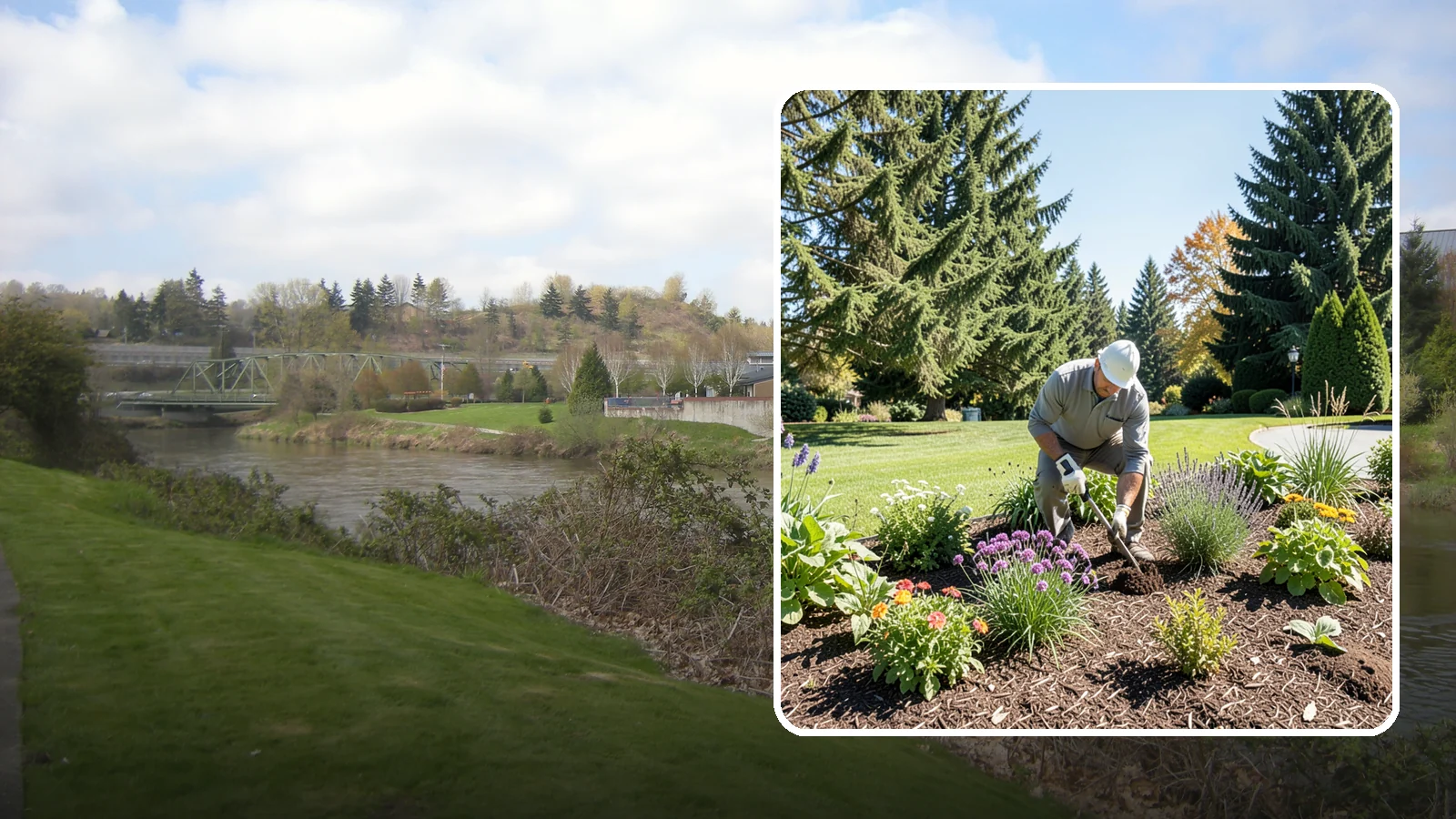
Ongoing bed maintenance – weeding, pruning, deadheading, and mulch care – to keep beds looking their best.
In Tukwila, garden bed maintenance makes the most sense in early spring. The median last spring frost (32 F) falls on March 11, per Daymet data for 2005-2025. That is a median, so frost can come earlier or later in a given year. Once the worst cold has usually passed, beds can be cleaned up, edged and mulched before growth takes off.
Washington Landscaping, based in Bothell, WA, handles this work for homeowners who want beds that stay tidy through the season. Below is how to plan it, what changes the scope, and what to expect.
Planning Garden Bed Care in Tukwila, WA
Start by walking your beds in late winter. Note where weeds have taken hold, where mulch has thinned, and where plants have outgrown their space. That gives you a clear picture of what the beds need.
What affects scope
Soil drainage is a big factor. Per the USDA SSURGO survey, about 35% of Tukwila's rated land is well drained, 49% moderately well drained and 16% poorly drained. Those figures describe the city as a whole. Your own yard may differ, and a low corner can stay wet even if the rest drains well. Beds that hold water tend to need more attention to plant choice, mulch depth and how close mulch sits to stems, since soggy crowns can rot.
Plant hardiness also matters. The USDA map (2023) places Tukwila in zone 9a, where the average coldest winter night is about 21.1 F. That is a long-term average, and a given winter can be colder. It helps you judge which tender plants may need protection and which cutbacks can wait until after the cold.
Beyond that, scope depends on bed size, how overgrown things are, how much old debris needs hauling, and whether you want a one-time cleanup or regular visits.
What to expect
A typical visit covers weeding, pruning back spent growth, edging bed lines, and refreshing mulch. Plants that are crowded or dead may be flagged for division or replacement, and you can decide what to do. We can talk through the plan and give a free estimate before any work begins. Financing is available subject to credit approval if you want to spread out a larger project.
Practical tip: before mulching, pull weeds and let the soil surface dry a little if it is soggy. Then spread mulch about two to three inches deep and keep it a few inches away from trunks and stems.
Tukwila yard conditions at a glance
| USDA hardiness zone (2023) | 9a |
|---|---|
| Last / first frost (median) | Mar 11 / Nov 17 |
| Late last frost (1 year in 10) | on or after Mar 27 |
| Frost-free season | about 247 days |
| Dry months (under 1.25 in) | July and August |
| Soil drainage (rated land) | 35% well, 49% moderately well, 16% poorly drained |
A year in a Tukwila yard
- Late winter
- Dormant pruning for most deciduous trees and shrubs, before buds break.
- Spring
- Last frost is usually around Mar 11; in 1 year in 10 it comes on or after Mar 27. Plant frost-tender annuals and vegetables after that.
- Early summer
- Check sprinklers and drip lines before July, the start of the dry months here.
- Summer
- July and August average 0.5 in and 0.8 in. Water deeply and less often; mulch beds to hold moisture.
- Fall
- Aerate, overseed and plant trees and shrubs while the soil is warm; first frost is usually around Nov 17. Winterize irrigation before then.
- Winter
- About 26 days a year freeze at night and thaw by day: keep drains, paver joints and wall weep holes clear.
Dates are medians for the city from Daymet 2005-2025; your yard and any given year can differ.
How Tukwila’s soils drain
- Well drained35%
- Moderately well49%
- Poorly drained16%
Share of rated land in the USDA SSURGO soil survey; built-over ground is not rated. A soil check on your lot tells you what you have.
Sources: Daymet daily weather (NASA/ORNL), 2023 USDA Plant Hardiness Zone Map data (PRISM, Oregon State University), USDA SSURGO soil survey, USGS 3DEP elevation, USFS/NLCD tree canopy 2025, US Census ACS 2020-2024.
Tukwila Garden Bed Maintenance
Local Service Information
Tukwila
A city in the Green/Duwamish river valley of south King County, a major retail and commercial hub.
Benefits
Beds kept consistently tidy; Regular weeding, pruning, and deadheading; Healthy, well-blooming plants; Mulch refreshed as needed; No overwhelming catch-up projects

Process

Also serving Tukwila
- Tree risk assessment in Tukwilaat Washington Tree Services
Get a Free Garden Bed Maintenance Estimate in Tukwila
Tell us about your project. We’ll review your needs and provide a customized, no-obligation proposal.
Request a Free Consultation
Complete the form or call our team to discuss your project.
On-Site Assessment
We’ll review your property, discuss your goals, and recommend an appropriate solution.
Receive a Customized Proposal
Receive a detailed estimate outlining the proposed work and pricing.