Shaping Your Outdoors. Surpassing Expectations.

Wilkeson Roof Snow Removal
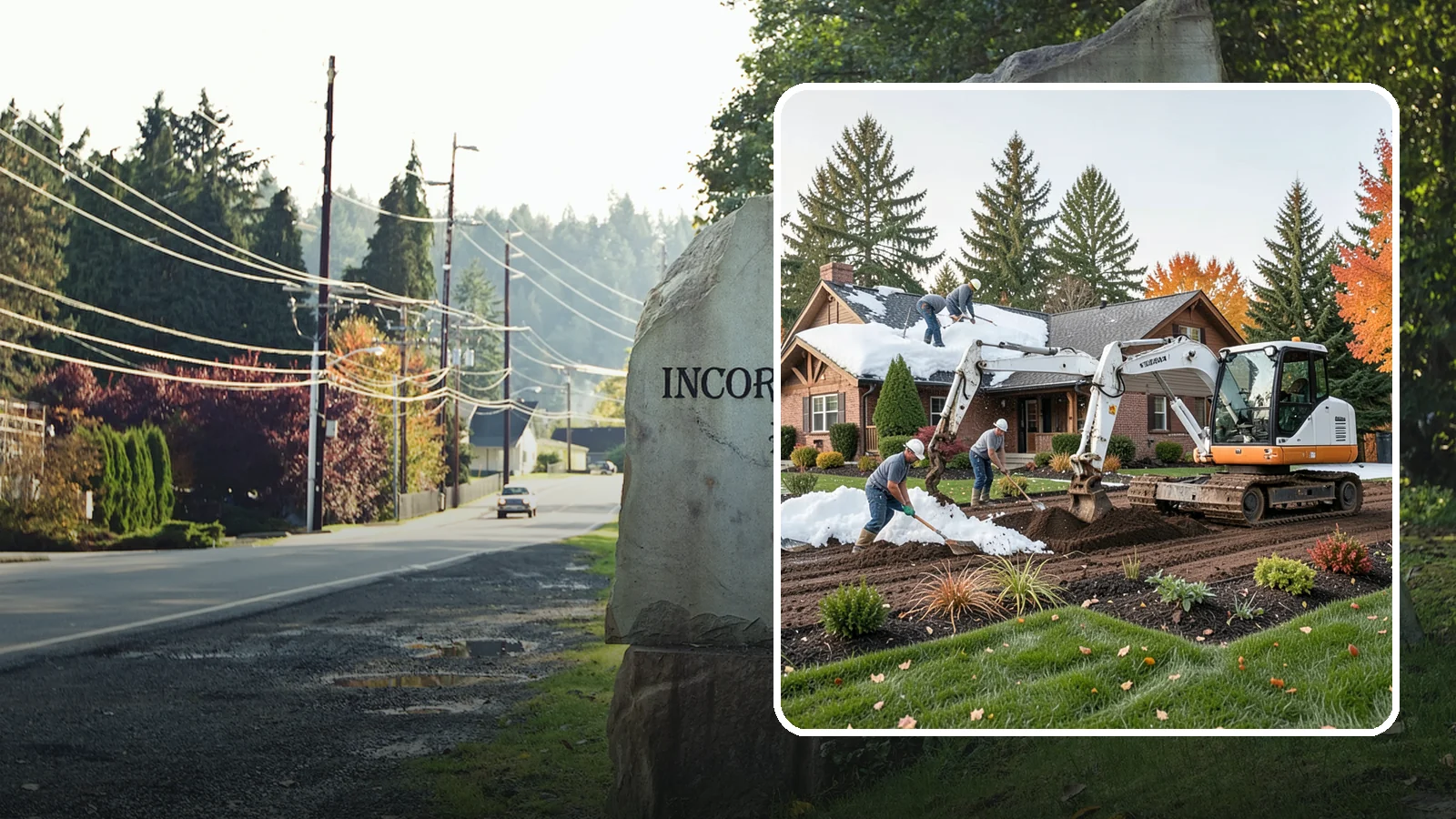
We safely remove heavy, wet snow loads from roofs to protect Puget Sound structures from stress, leaks, and collapse.
Roof snow removal in Wilkeson makes the most sense from late fall through winter, once a snowfall has settled on the roof and before it freezes into a heavy layer. Per available records, which are limited near this city, Wilkeson averages 10.4 in of snow a season and about 3.4 days with 1 in or more. Snow here comes in a few events, not a steady pile.
About 43 nights a winter drop below freezing from October to April. That matters because snow that melts by day can refreeze overnight at the eaves. If you are thinking about having a roof cleared, it helps to plan before the first storm.
Planning Roof Snow Removal in Wilkeson, WA
Planning ahead
Because snow days are few, most homeowners do not need a standing plan. What helps is knowing who to call and what you want done before a storm arrives. The figures above are averages for the area. Your own roof may see more or less, and snow can come earlier or later in a given year.
What affects scope
Wilkeson sits between about 776 ft and 1144 ft in elevation, per USGS 3DEP. A home near the higher end may hold snow longer than one lower down, so depth and weight can differ from one street to the next. Other things shape the job too:
Roof pitch and surface, since steep or slick roofs need more care. Height and access, including how close trees, power lines and vents are. How much snow is up there and whether it has refrozen into ice. Where the cleared snow can safely land without blocking a door, a walkway or a drain.
What to expect
Removal is done from the roof edge inward in a way that avoids scraping the roofing surface. The goal is to take off the load without damaging shingles, gutters or flashing. Some ice may stay behind on purpose, because chipping it off can do more harm than leaving it. Washington Landscaping is licensed, bonded and insured ($2M), and estimates are free, so you can see the scope before any work starts. Call or text 425-433-9444.
One practical tip
Before winter, walk your property and note where snow would fall from the roof. Move planters, firewood, and anything fragile away from those spots. It makes any later clearing quicker and safer.
Wilkeson yard conditions at a glance
| Average snowfall | 10.4 in a season; 3.4 days with 1 in or more (approximate) |
|---|---|
| Days that freeze at night and thaw by day | 43 a year |
| Last / first frost (median) | Apr 3 / Nov 9 |
| Elevation range | 776 to 1,144 ft |
A year in a Wilkeson yard
- Late winter
- Dormant pruning for most deciduous trees and shrubs, before buds break.
- Spring
- Last frost is usually around Apr 3; in 1 year in 10 it comes on or after Apr 20. Plant frost-tender annuals and vegetables after that.
- Early summer
- Check sprinklers and drip lines before July, the start of the dry months here.
- Summer
- July and August average 0.8 in and 1.2 in. Water deeply and less often; mulch beds to hold moisture.
- Fall
- Aerate, overseed and plant trees and shrubs while the soil is warm; first frost is usually around Nov 9. Winterize irrigation before then.
- Winter
- About 43 days a year freeze at night and thaw by day: keep drains, paver joints and wall weep holes clear.
Dates are medians for the city from Daymet 2005-2025; your yard and any given year can differ.
Sources: Daymet daily weather (NASA/ORNL), 2023 USDA Plant Hardiness Zone Map data (PRISM, Oregon State University), USDA SSURGO soil survey, USGS 3DEP elevation, USFS/NLCD tree canopy 2025, US Census ACS 2020-2024.
Wilkeson Roof Snow Removal
Local Service Information
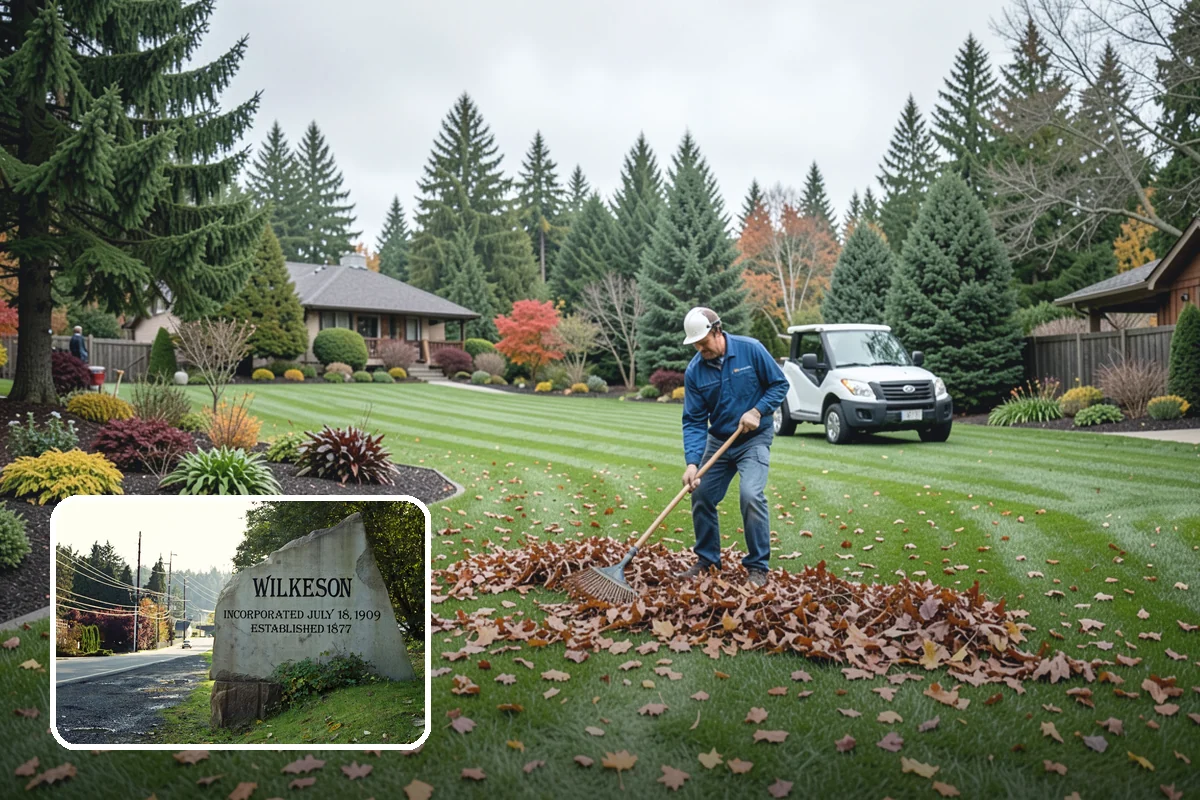
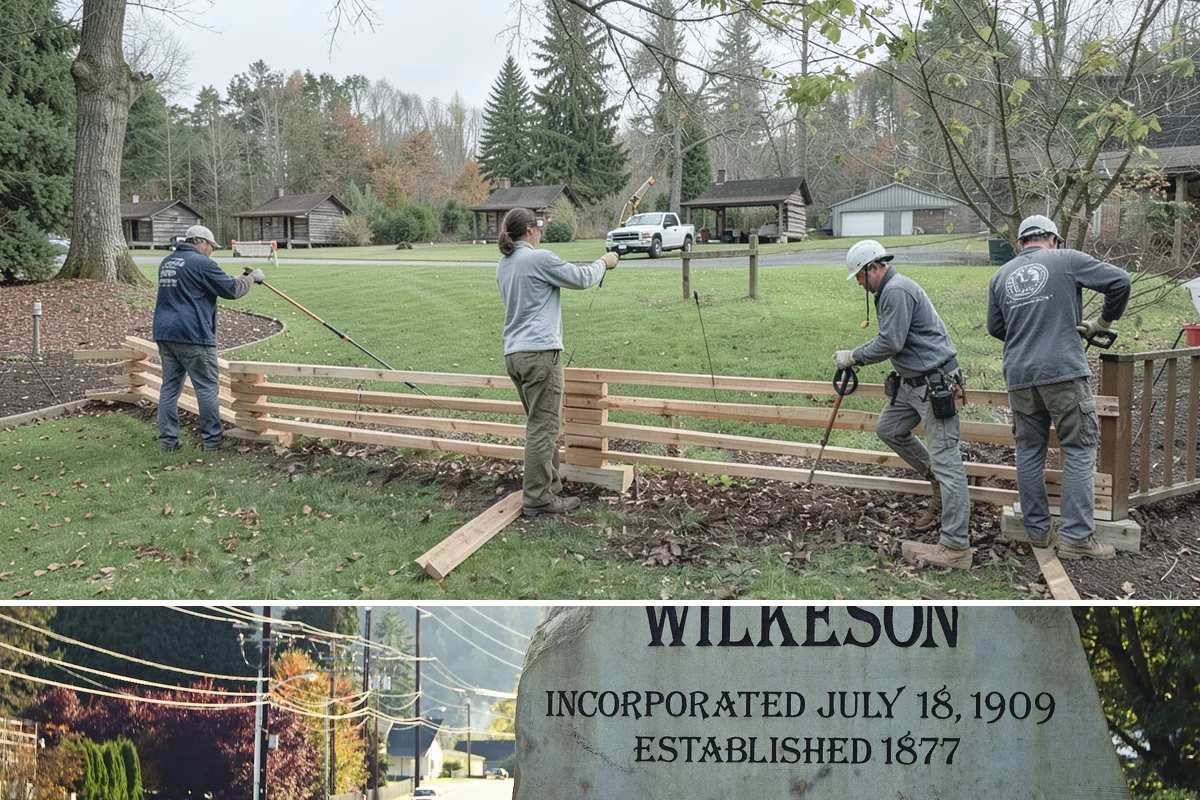
Wilkeson
A very small historic coal and sandstone town in the foothills of southeast Pierce County.
Benefits
Relieves dangerous structural loads from wet, heavy snow; Reduces ice-dam formation along eaves and valleys; Protects roofing materials from careless clearing damage; Helps prevent interior leaks and water intrusion; Performed by crews trained for safe roof access
Process
Roof Snow Removal in nearby areas
Also serving Wilkeson
- Log hauling in Wilkesonat Washington Tree Services
- Winter Maintenance Plans in Wilkesonat Washington Snow Removal
Get a Free Roof Snow Removal Estimate in Wilkeson
Tell us about your project. We’ll review your needs and provide a customized, no-obligation proposal.
Request a Free Consultation
Complete the form or call our team to discuss your project.
On-Site Assessment
We’ll review your property, discuss your goals, and recommend an appropriate solution.
Receive a Customized Proposal
Receive a detailed estimate outlining the proposed work and pricing.