Local Service Information
Normandy Park
A quiet residential city on the Puget Sound shoreline in south King County.
County: King County
ZIP Codes Served: 98166, 98148
Neighborhoods: Puget Sound shoreline and bluff residential neighborhoods
Nearby Communities: Burien, Des Moines, SeaTac
Common Property Types: Predominantly established single-family residential properties, many on larger landscaped lots; commercial development is very limited.
Local Tree & Landscape Notes: Shoreline setting with conifers, bigleaf maple, and ornamental species; coastal wind exposure, shoreline regulations, and access are common considerations for scheduling and permitting.
Permit Considerations: Permit requirements vary depending on tree size, species, protected areas, shoreline regulations, critical areas, and local municipal code. Always verify current requirements with the local jurisdiction before beginning work.
Climate: Marine west coast climate typical of the Puget Sound region: mild, wet winters and warm, relatively dry summers, with most rainfall from fall through spring. Occasional wind, snow, and ice events and seasonal soil saturation influence tree health and the timing of tree work.
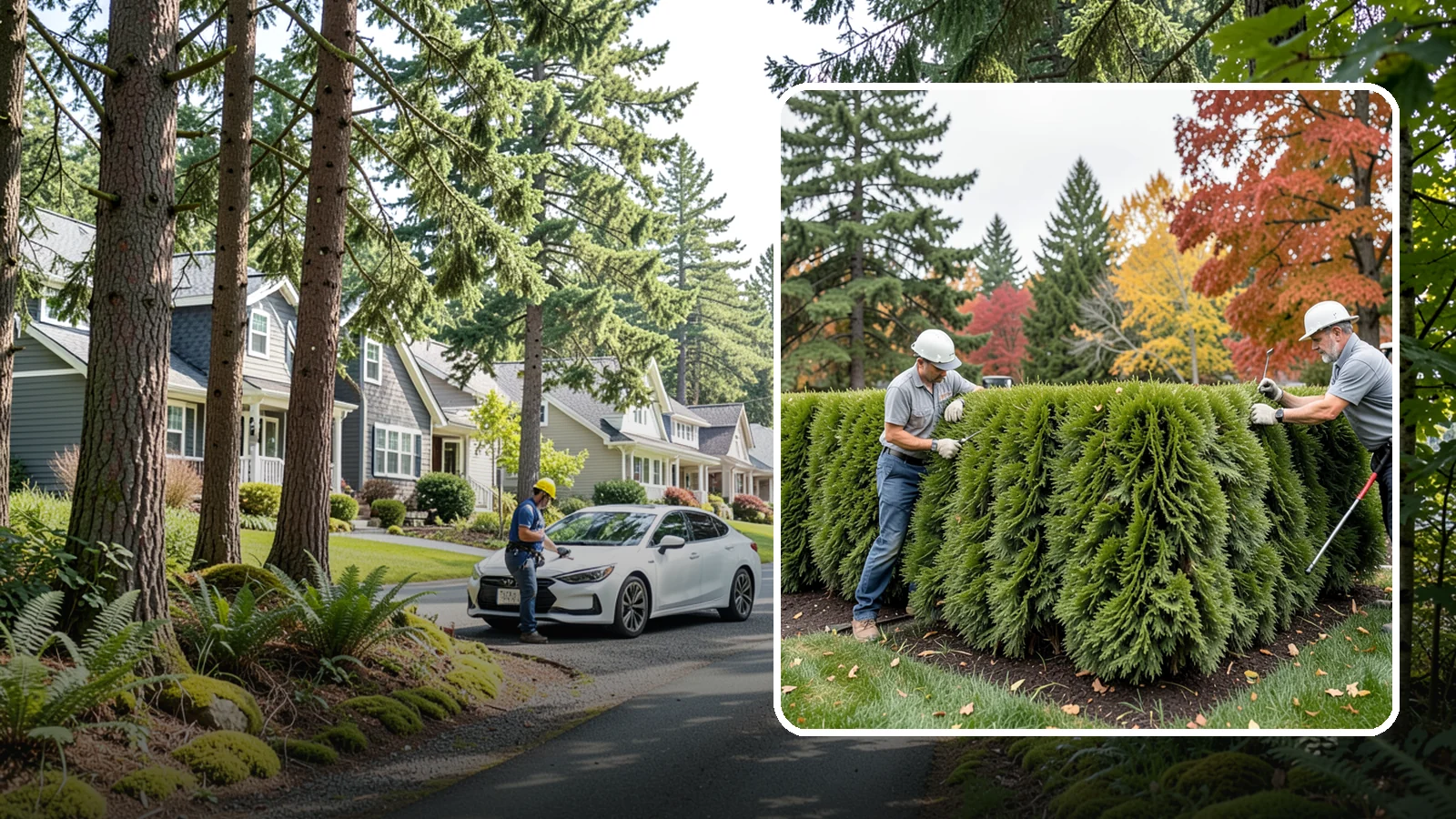
Normandy Park sits along the Puget Sound shoreline south of Seattle, a quiet King County city of established homes on wooded, often larger lots with bluff and beach access. Landscaping here reflects its leafy, private character, with grounds near Marine View Park and the Sound shoreline frequently emphasizing mature trees, naturalistic plantings, and outdoor living. Bordered by Burien, Des Moines, and SeaTac, the community favors landscapes that suit its shoreline setting and settled, garden-forward neighborhoods.
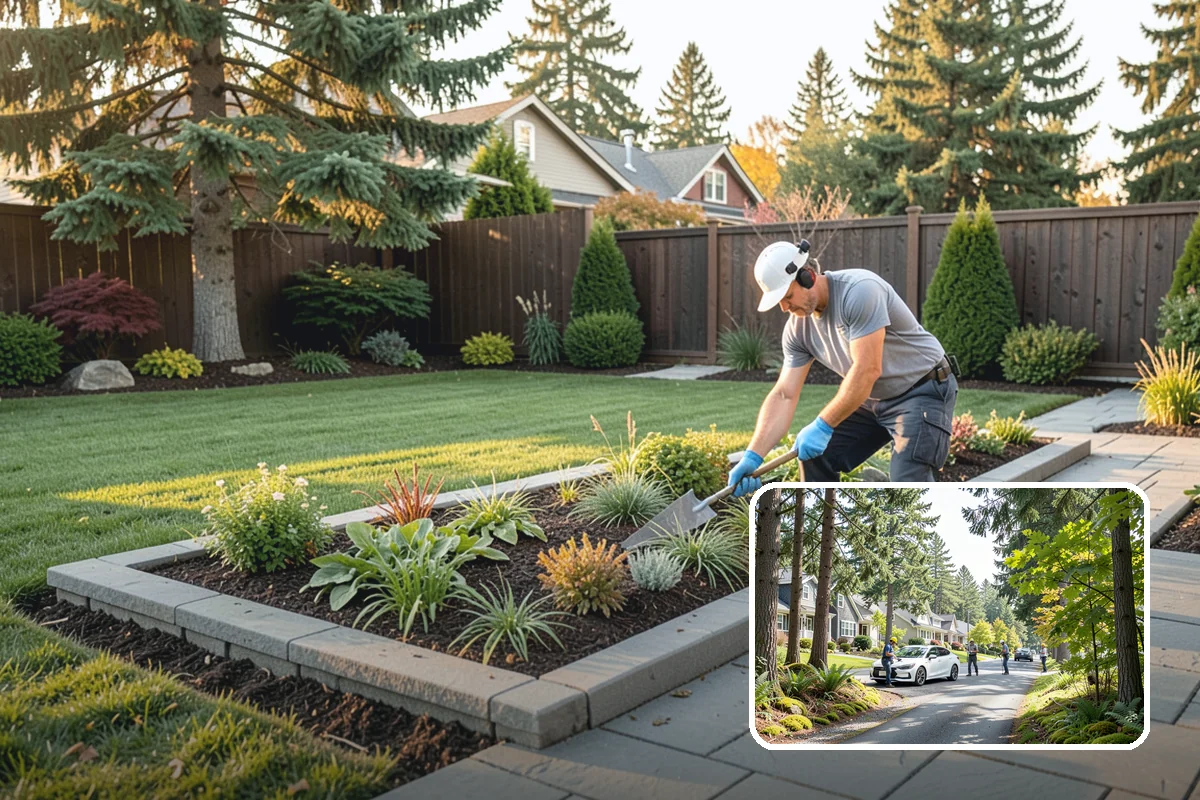
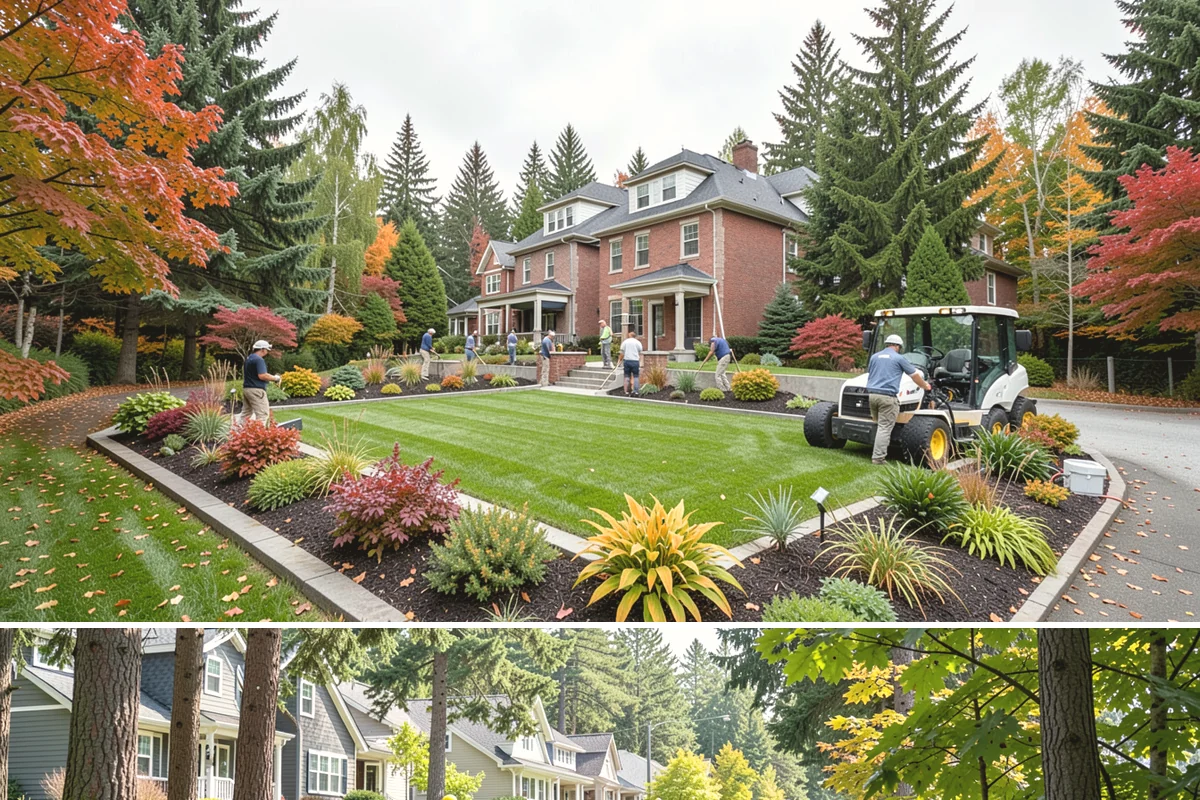
Landscaping in Normandy Park often centers on maintaining and refining the established grounds of larger, wooded residential lots. Services range from careful pruning and lawn care to shade-garden work and slope planting on bluff parcels, with many owners near the shoreline wanting private, natural landscapes that complement the mature trees and coastal outlook.
Site Conditions: The Puget Sound shoreline moderates Normandy Park’s climate across its zone 8b setting, softening seasonal extremes. Bluff and shoreline lots slope toward the water, so drainage and erosion control matter; soils mix glacial material with forested duff, and heavy tree cover creates predominantly shaded, moisture-retentive planting conditions on many established properties.
Seasonal Considerations: As spring arrives, shoreline gardens need raking, moss treatment on damp lawns, and a fresh layer of mulch. Summer shifts to careful watering and mowing during the rain-free weeks, while autumn brings a heavy round of needle and leaf removal beneath the tall trees, plus aeration and drainage checks. Come winter, dormant pruning and bluff-planting plans take priority.
Common Project Types: Common Normandy Park projects include shade-garden installations, mature-tree pruning, slope-stabilizing plantings on bluff lots, and patios or decks oriented toward the Sound. Lawn renovation in filtered light, privacy screening between wooded properties, and refreshed pathways connecting outdoor spaces near Marine View Park are also frequent.
Property Styles: Normandy Park properties are predominantly established single-family homes on larger, wooded lots, many with slopes or bluff frontage toward the water. Grounds are typically secluded and tree-framed, so landscaping usually involves maintaining and refining mature plantings rather than building new ones from bare ground.
Local Materials & Plants: Coastal, shade-loving plants such as deer fern, salal, evergreen huckleberry, and rhododendron suit Normandy Park’s wooded shoreline lots. Wind-hardy evergreens hold up on exposed bluffs, ornamental grasses brighten sunnier gaps, and river rock, gravel paths, and bark mulch echo the natural, coastal garden style near Marine View Park.
Planning Your Project: On Normandy Park’s wooded, sloping lots, planning should emphasize erosion control and schedule soil-disturbing work for drier months. Timing pruning and canopy thinning for the dormant season keeps mature trees healthy, and any tree removal, slope, or shoreline-adjacent project should be reviewed generally against local requirements before beginning.
Ready to care for your Normandy Park property and its shoreline setting? Get in touch to talk through your goals and shape a landscaping plan that fits your wooded lot and coastal surroundings.