Shaping Your Outdoors. Surpassing Expectations.

Lake Stevens Container Gardening
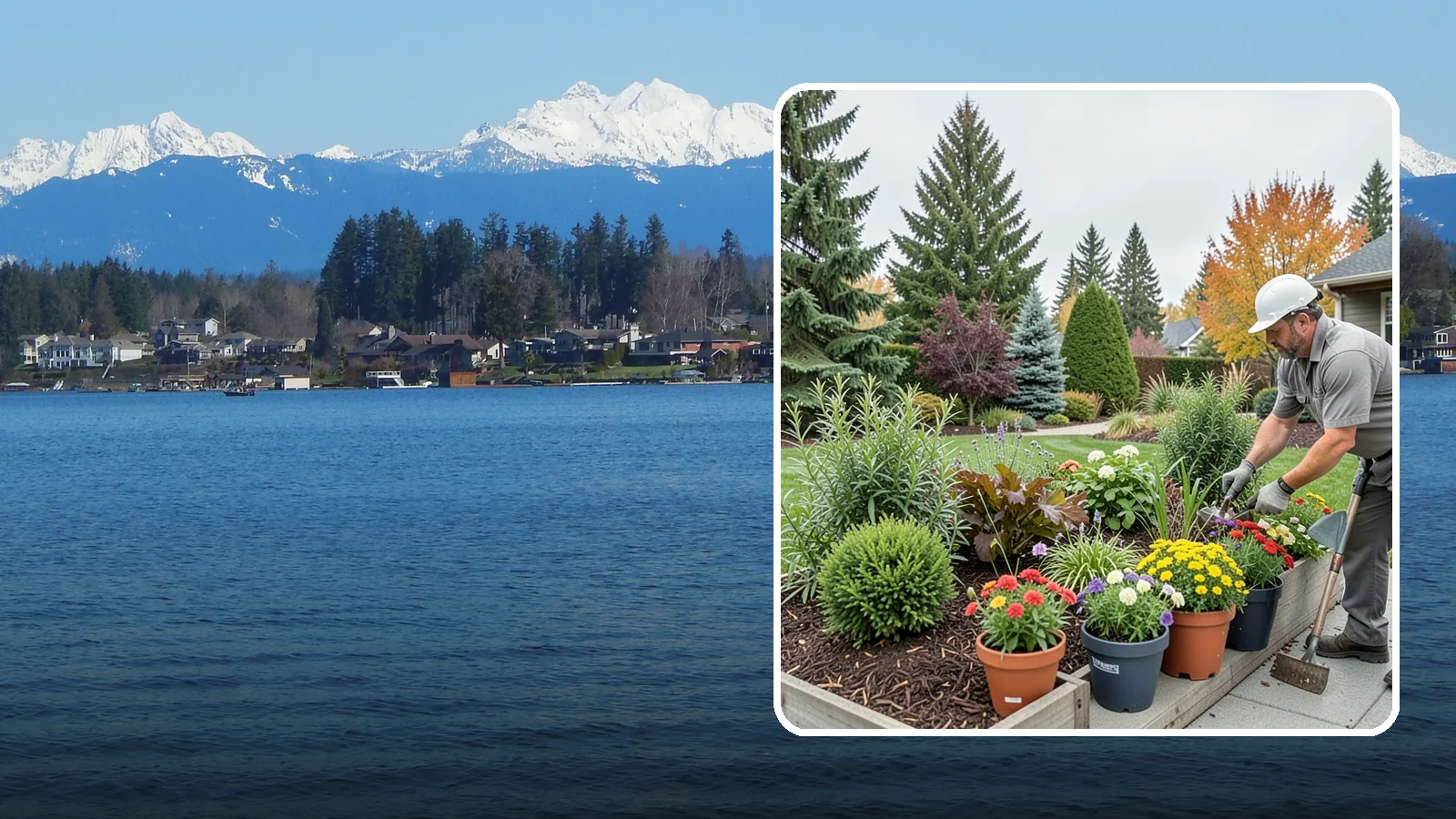
Designed container plantings that bring color and greenery to patios, entries, and small spaces.
Container gardening in Lake Stevens makes the most sense in spring, once the cold nights have passed, and again in early fall for hardy plants. The median first fall frost (32 F) falls on Nov 10, per Daymet data for 2005-2025, so tender plants have a long season. Frost can come earlier or later in any given year.
Washington Landscaping, based in Bothell, plans and plants containers for homeowners who want color and structure on a patio, porch or entry without digging new beds. This page explains how the planning works and what to expect.
Planning Container Gardens in Lake Stevens, WA
Start with the spot. Note how many hours of sun it gets and how exposed it is to wind and rain. Sun and shade call for different plants, so this choice comes before pots or flowers.
Plants and winter hardiness
Lake Stevens is in USDA zone 8b, with an average coldest winter night of about 16.8 F (2023 USDA map). Roots in a pot have less insulation than roots in the ground. A plant rated for zone 8b in the ground may still struggle in a thin container. If you want plants to stay out all winter, choose hardy varieties and thick-walled, frost-resistant pots. Tender plants can be treated as seasonal and replaced.
What affects scope
Scope depends on the number and size of containers, the plant types, and whether you want a one-time planting or seasonal changes. Large pots need more soil and are heavy once filled, so placement matters. Drainage holes, pot feet and a quality potting mix keep roots from sitting in water through the wet months. Irrigation is another factor. Hand watering works for a few pots, while a drip line suits a larger group.
What to expect
We talk through the site, your style and how much upkeep you want. Then we choose containers and plants, fill them with fresh potting mix and set them in place. Free estimates are available, and financing is offered subject to credit approval.
Containers need watering more often than garden beds. Per Daymet data for 2005-2025, July is the dry month here, with about 0.74 in of rain on average. Plan on regular watering then, and check pots even after a shower, since dense foliage can shed rain.
Practical tip: set pots on a spot you can reach with a hose, and lift them on feet before the wet season so water drains freely.
Lake Stevens yard conditions at a glance
| USDA hardiness zone (2023) | 8b |
|---|---|
| Last / first frost (median) | Mar 24 / Nov 10 |
| Late last frost (1 year in 10) | on or after Apr 12 |
| Frost-free season | about 225 days |
| Dry months (under 1.25 in) | July |
| Soil drainage (rated land) | 4% well, 88% moderately well, 8% poorly drained |
A year in a Lake Stevens yard
- Late winter
- Dormant pruning for most deciduous trees and shrubs, before buds break.
- Spring
- Last frost is usually around Mar 24; in 1 year in 10 it comes on or after Apr 12. Plant frost-tender annuals and vegetables after that.
- Early summer
- Check sprinklers and drip lines before July, the start of the dry months here.
- Summer
- July average 0.7 in. Water deeply and less often; mulch beds to hold moisture.
- Fall
- Aerate, overseed and plant trees and shrubs while the soil is warm; first frost is usually around Nov 10. Winterize irrigation before then.
- Winter
- About 40 days a year freeze at night and thaw by day: keep drains, paver joints and wall weep holes clear.
Dates are medians for the city from Daymet 2005-2025; your yard and any given year can differ.
How Lake Stevens’s soils drain
- Well drained4%
- Moderately well88%
- Poorly drained8%
Share of rated land in the USDA SSURGO soil survey; built-over ground is not rated. A soil check on your lot tells you what you have.
Sources: Daymet daily weather (NASA/ORNL), 2023 USDA Plant Hardiness Zone Map data (PRISM, Oregon State University), USDA SSURGO soil survey, USGS 3DEP elevation, USFS/NLCD tree canopy 2025, US Census ACS 2020-2024.
Lake Stevens Container Gardening
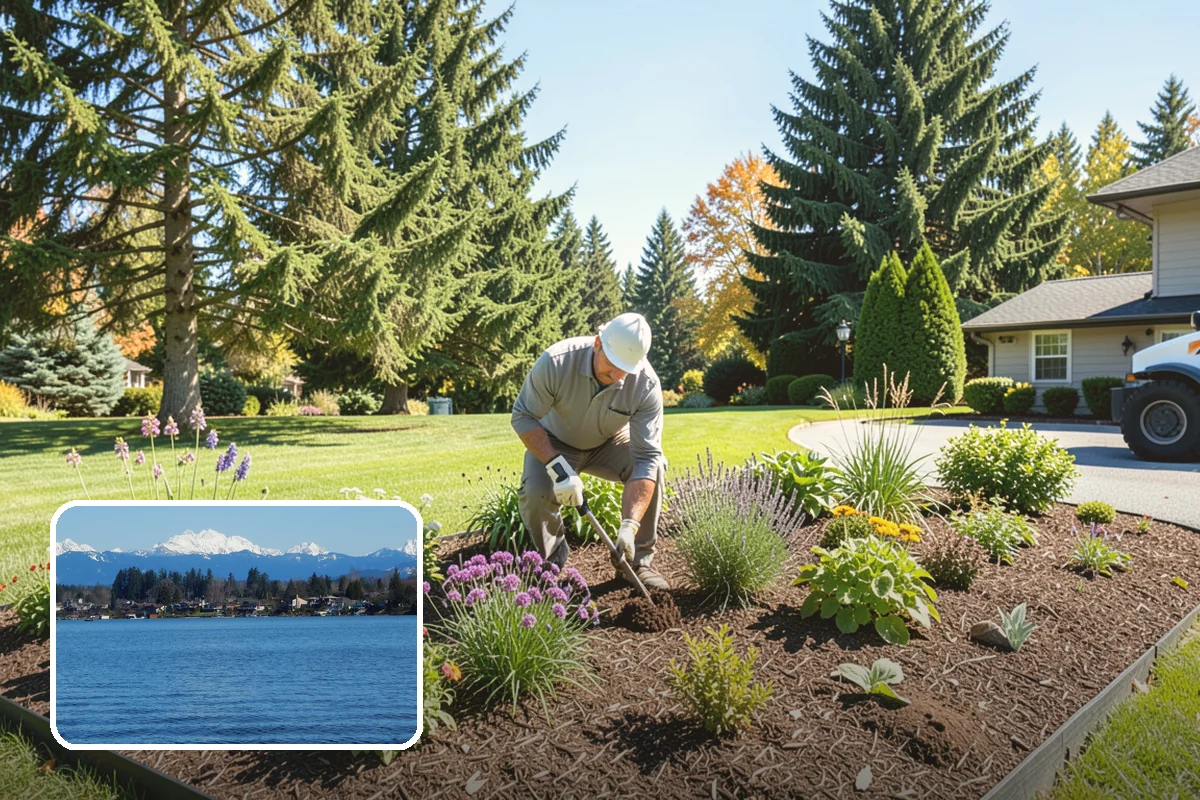
Local Service Information
Lake Stevens
A city surrounding the lake of the same name in central Snohomish County.
Benefits
Brings greenery to patios and small spaces; Designed for balance and visual impact; Matched to your light and style; Seasonal refreshes keep it looking sharp; Perfect for renters and tight spaces
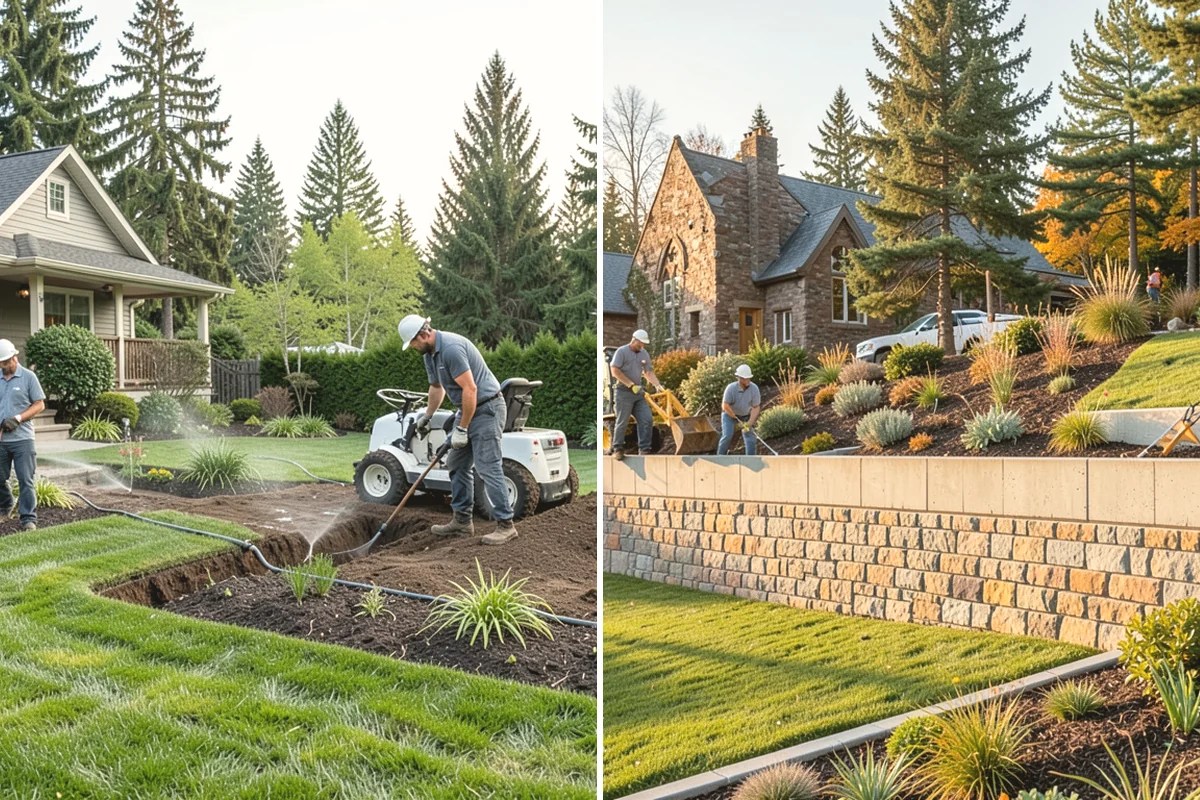
Process

Container Gardening in nearby areas
Also serving Lake Stevens
- Tree replacement in Lake Stevensat Washington Tree Services
Get a Free Container Gardening Estimate in Lake Stevens
Tell us about your project. We’ll review your needs and provide a customized, no-obligation proposal.
Request a Free Consultation
Complete the form or call our team to discuss your project.
On-Site Assessment
We’ll review your property, discuss your goals, and recommend an appropriate solution.
Receive a Customized Proposal
Receive a detailed estimate outlining the proposed work and pricing.