Shaping Your Outdoors. Surpassing Expectations.

Sammamish Cherry Tree Pruning

Pruning for ornamental and fruiting cherries that protects health and encourages bloom.
Your cherry tree is putting on long, upright shoots, the center is crowded, and a few branches are rubbing or hanging low over the lawn. Maybe the fruit is smaller than it used to be, or you spot dead twigs and oozing spots on the bark.
Cherry pruning in Sammamish works best when it fits the tree and the season. Washington Landscaping has an ISA Certified Arborist on staff and offers free estimates. We can look at the tree's structure, explain what needs to come out, and what should stay.
Cherry Tree Pruning Timing and Care in Sammamish
Crowded growth happens because cherries push vigorous shoots every year. Left alone, the canopy fills with overlapping branches. Light and air cannot reach the middle, and leaves stay wet longer. That favors fungal and bacterial problems, and dead or damaged wood tends to build up.
Local weather matters here. Per Daymet data for 2005-2025, about 80% of Sammamish's yearly precipitation falls from October to April. Cherries are prone to bacterial canker and similar diseases that spread in cool, wet conditions. Pruning wounds made in the wet season stay open to infection longer. For that reason, cherry pruning is commonly done in the dry part of the year, when cuts dry and seal faster. July and August are the driest months, averaging about 0.71 in and 1.21 in of rain. That is a reasonable window to plan around, though the right timing for your tree depends on its age, health and condition.
The spring frost date is a secondary factor. The median last frost in Sammamish is March 24, per the same data. Frost can come earlier or later in a given year. Heavy pruning that prompts new growth before frost has passed can leave tender shoots exposed, so we avoid it early in the year.
The work itself is selective. We remove dead, diseased, broken and crossing branches first. Then we thin the canopy to open the center and reduce weight on long limbs. We make clean cuts just outside the branch collar and avoid removing too much of the canopy at once, since large cuts are slow to heal on cherries. If we see signs of disease, we will tell you what we find and how to handle the removed wood.
Your own yard may differ from city-wide averages. Slope, shade and drainage all change how a tree behaves. Call or text 425-433-9444 to set up a free estimate.
Sammamish yard conditions at a glance
| USDA hardiness zone (2023) | 8b (parts 8b to 9a) |
|---|---|
| Last / first frost (median) | Mar 24 / Nov 14 |
| Tree canopy | 40.6% of the city |
| Share of rain October to April | 80% |
| Dry months (under 1.25 in) | July and August |
A year in a Sammamish yard
- Late winter
- Dormant pruning for most deciduous trees and shrubs, before buds break.
- Spring
- Last frost is usually around Mar 24; in 1 year in 10 it comes on or after Apr 10. Plant frost-tender annuals and vegetables after that.
- Early summer
- Check sprinklers and drip lines before July, the start of the dry months here.
- Summer
- July and August average 0.7 in and 1.2 in. Water deeply and less often; mulch beds to hold moisture.
- Fall
- Aerate, overseed and plant trees and shrubs while the soil is warm; first frost is usually around Nov 14. Winterize irrigation before then.
- Winter
- About 34 days a year freeze at night and thaw by day: keep drains, paver joints and wall weep holes clear.
Dates are medians for the city from Daymet 2005-2025; your yard and any given year can differ.
Sources: Daymet daily weather (NASA/ORNL), 2023 USDA Plant Hardiness Zone Map data (PRISM, Oregon State University), USDA SSURGO soil survey, USGS 3DEP elevation, USFS/NLCD tree canopy 2025, US Census ACS 2020-2024.
Sammamish Cherry Tree Pruning
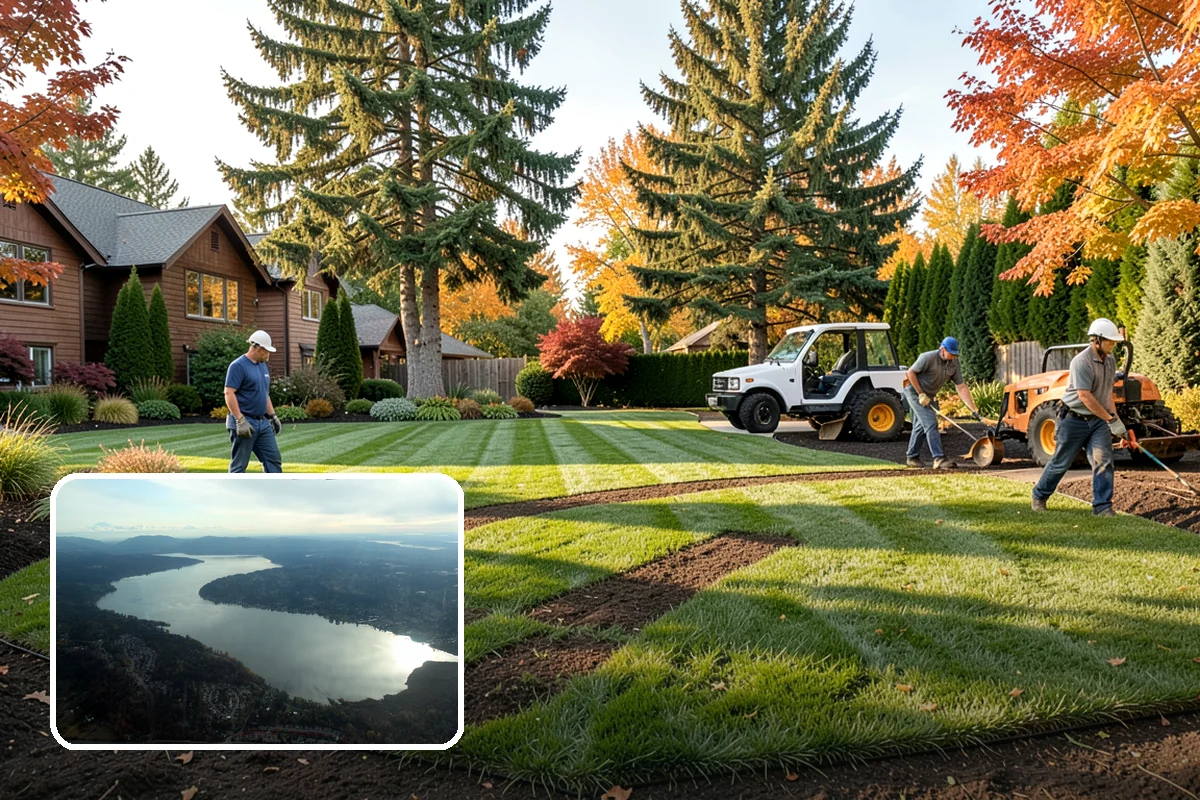
Local Service Information
Sammamish
A residential plateau city on the east side of Lake Sammamish.
Benefits
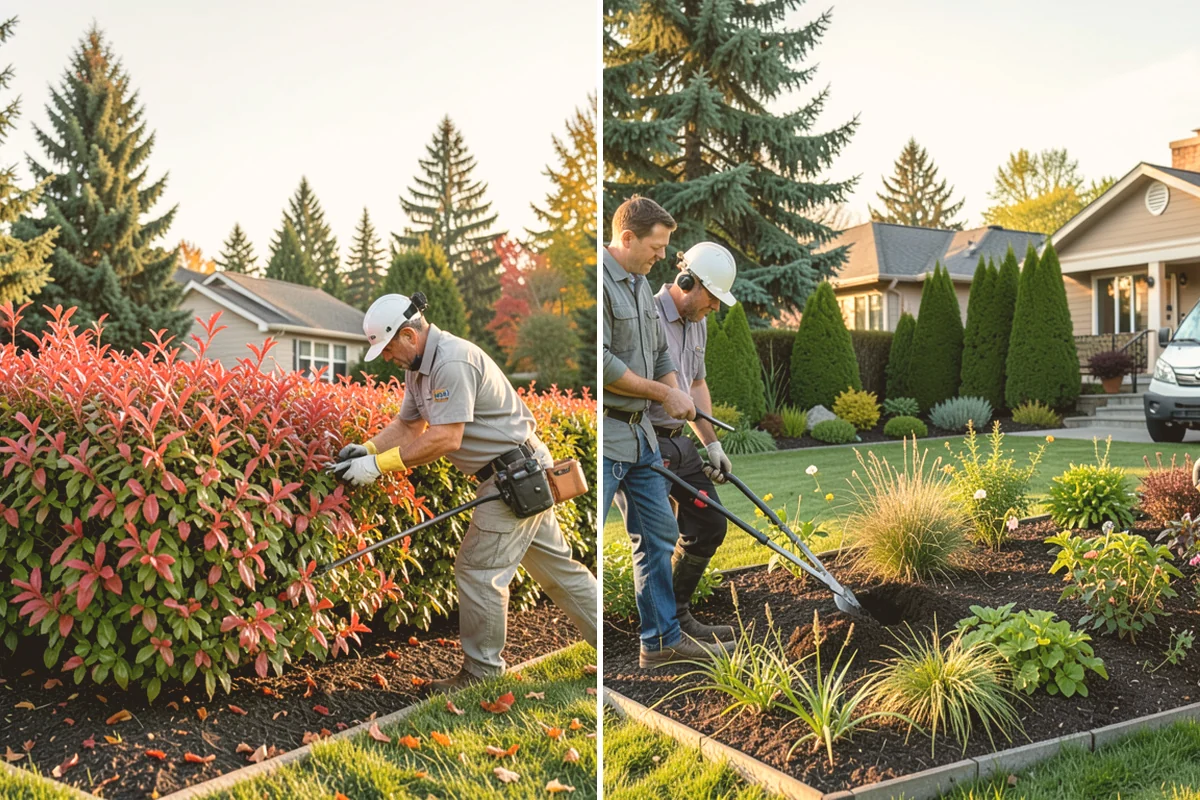
Better light and air to reduce disease; Healthier trees in the wet PNW; Deadwood removed; Shaped for bloom or fruit; Light, clean, well-timed cuts
Process
Also serving Sammamish
- Young tree training in Sammamishat Washington Tree Services
Get a Free Cherry Tree Pruning Estimate in Sammamish
Tell us about your project. We’ll review your needs and provide a customized, no-obligation proposal.
Request a Free Consultation
Complete the form or call our team to discuss your project.
On-Site Assessment
We’ll review your property, discuss your goals, and recommend an appropriate solution.
Receive a Customized Proposal
Receive a detailed estimate outlining the proposed work and pricing.