Shaping Your Outdoors. Surpassing Expectations.

Sammamish Garden Bed Renovation
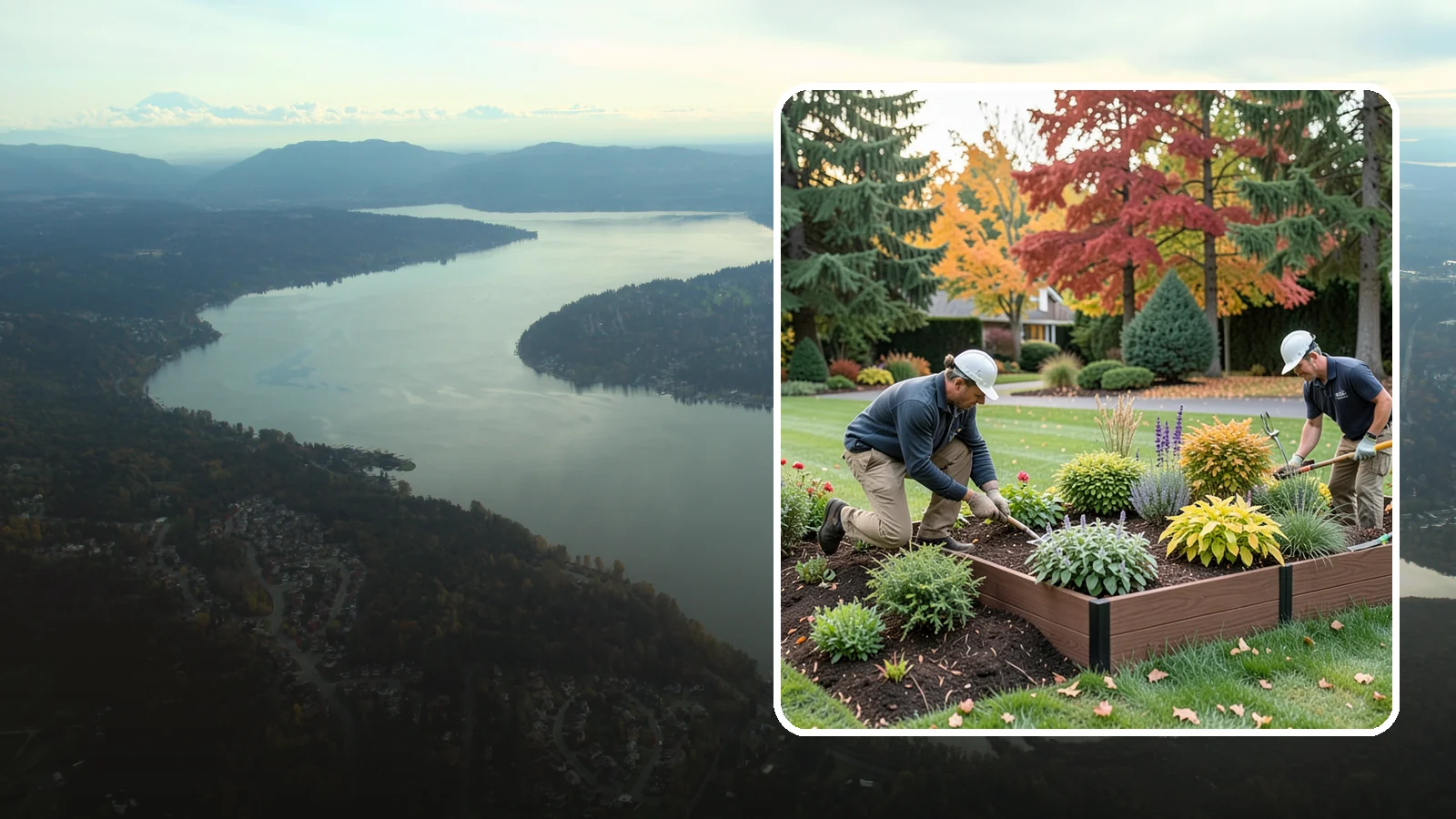
We rebuild tired, overgrown Puget Sound garden beds into healthy, well-drained planting spaces that thrive in the Pacific Northwest climate.
In Sammamish, the median last spring frost (32 F) falls on March 24, per Daymet data for 2005-2025. That makes late March into spring a sensible window for garden bed renovation. Soil is workable, new plantings have a full season to root, and you can see what survived winter before you decide what to remove.
Frost can come earlier or later in any given year, so treat that date as a guide. Washington Landscaping, based in Bothell, plans bed renovations around your yard, your plants and your goals, and estimates are free.
Planning a Garden Bed Renovation in Sammamish
A renovation usually starts with a walk through the beds. We look at what is thriving, what is overgrown or failing, and where water sits after rain. Then we decide what stays, what moves and what comes out.
What affects scope
Drainage is a big factor. Per the USDA SSURGO soil survey, about 24% of Sammamish's rated land is well drained, 72% is moderately well drained and 4% is poorly drained. That describes the city as a whole. Your own yard may differ, especially near a slope, a downspout or a low corner. If water lingers in a bed, we may suggest amending the soil, regrading slightly or choosing plants that tolerate wet roots.
Other things that change the work include how many old plants and weeds need removal, whether the soil is compacted, whether edging or mulch needs replacing, and whether you want new plantings or just a refresh. Any wall or grading change is checked with the city for permit needs before work starts.
Choosing plants
Sammamish is USDA hardiness zone 8b, with an average coldest winter night of about 19.8 F per the 2023 USDA map. Parts of the city range from 8b to 9a. That helps us match plants to your site, though a sheltered or exposed spot in your yard can feel different from the zone rating.
What to expect
Expect clearing and removal first, then soil preparation, planting and a fresh layer of mulch. Larger beds take longer than small ones, and wet weather can shift the schedule. We are licensed, bonded and insured, and financing is available subject to credit approval.
One practical tip: before we start, note where water pools after a heavy rain and take a few photos. It helps us plan drainage and plant choices, and it is easier to see in the wet season than in summer.
Sammamish yard conditions at a glance
| USDA hardiness zone (2023) | 8b (parts 8b to 9a) |
|---|---|
| Last / first frost (median) | Mar 24 / Nov 14 |
| Late last frost (1 year in 10) | on or after Apr 10 |
| Frost-free season | about 231 days |
| Dry months (under 1.25 in) | July and August |
| Soil drainage (rated land) | 24% well, 72% moderately well, 4% poorly drained |
A year in a Sammamish yard
- Late winter
- Dormant pruning for most deciduous trees and shrubs, before buds break.
- Spring
- Last frost is usually around Mar 24; in 1 year in 10 it comes on or after Apr 10. Plant frost-tender annuals and vegetables after that.
- Early summer
- Check sprinklers and drip lines before July, the start of the dry months here.
- Summer
- July and August average 0.7 in and 1.2 in. Water deeply and less often; mulch beds to hold moisture.
- Fall
- Aerate, overseed and plant trees and shrubs while the soil is warm; first frost is usually around Nov 14. Winterize irrigation before then.
- Winter
- About 34 days a year freeze at night and thaw by day: keep drains, paver joints and wall weep holes clear.
Dates are medians for the city from Daymet 2005-2025; your yard and any given year can differ.
How Sammamish’s soils drain
- Well drained24%
- Moderately well72%
- Poorly drained4%
Share of rated land in the USDA SSURGO soil survey; built-over ground is not rated. A soil check on your lot tells you what you have.
Sources: Daymet daily weather (NASA/ORNL), 2023 USDA Plant Hardiness Zone Map data (PRISM, Oregon State University), USDA SSURGO soil survey, USGS 3DEP elevation, USFS/NLCD tree canopy 2025, US Census ACS 2020-2024.
Sammamish Garden Bed Renovation
Local Service Information
Sammamish
A residential plateau city on the east side of Lake Sammamish.
Benefits
Corrects drainage problems caused by compacted clay and steady rainfall; Replaces struggling or overgrown plants with PNW-appropriate selections; Restores soil fertility with compost and mineral amendments; Reduces moss, weeds, and liverwort recurrence; Improves curb appeal and property value
Process

Get a Free Garden Bed Renovation Estimate in Sammamish
Tell us about your project. We’ll review your needs and provide a customized, no-obligation proposal.
Request a Free Consultation
Complete the form or call our team to discuss your project.
On-Site Assessment
We’ll review your property, discuss your goals, and recommend an appropriate solution.
Receive a Customized Proposal
Receive a detailed estimate outlining the proposed work and pricing.