Shaping Your Outdoors. Surpassing Expectations.

Sammamish Landscape Edging Installation
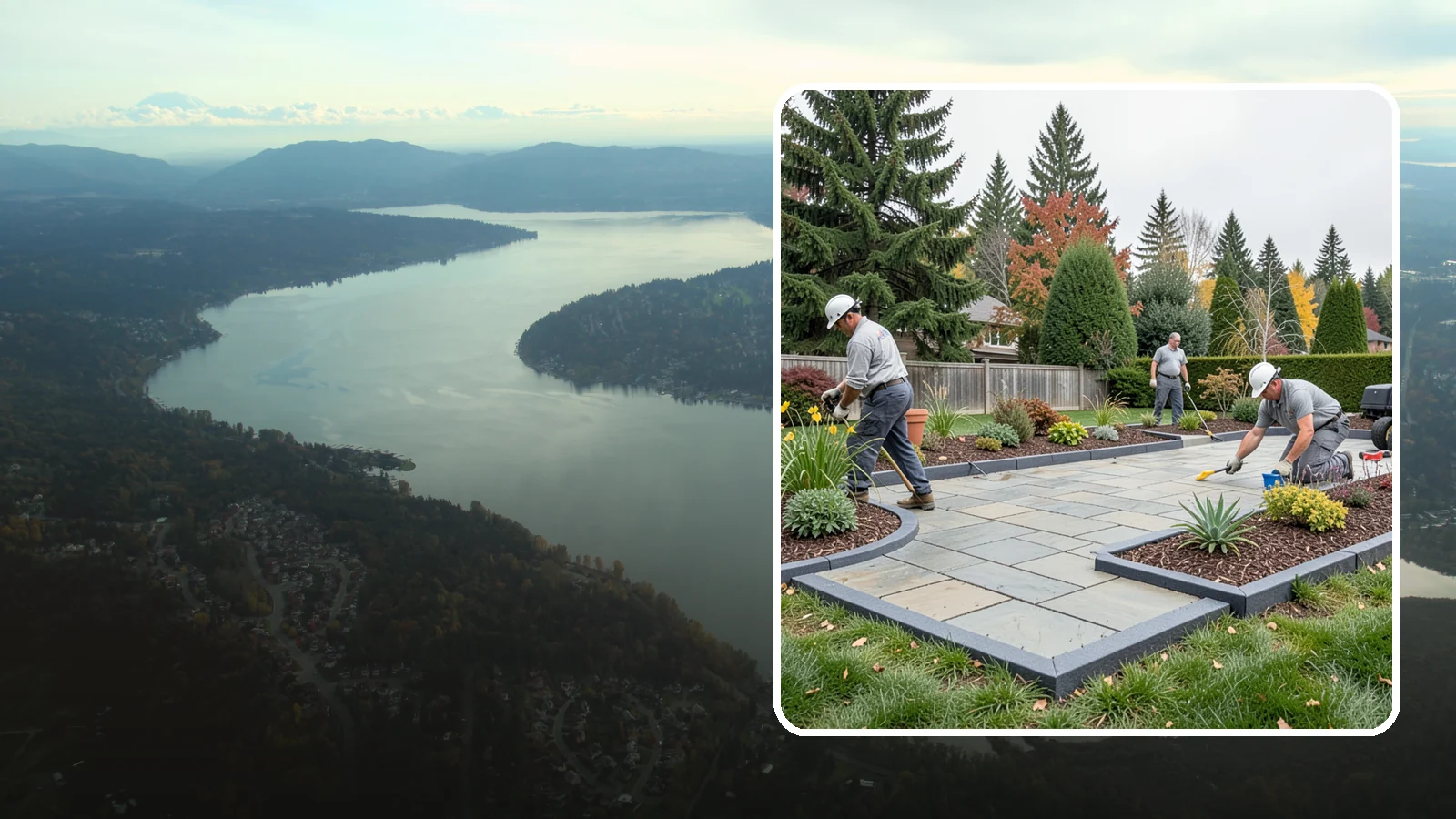
Clean, durable edging installed to define beds, contain mulch and rock, and keep grass out.
In Sammamish, edging can go in for much of the year. The frost-free growing season runs about 231 days, from about Mar 24 to Nov 14 (median, Daymet 2005-2025), and frost can come earlier or later in a given year. Spring and early fall are practical times because the ground is workable and new plantings are getting established.
Edging gives a bed or lawn edge a clear line. It holds mulch and gravel in place and slows turf from creeping into planting areas. Washington Landscaping can walk the site with you, talk through materials and layout, and give a free estimate. Call or text 425-433-9444.
Planning Landscape Edging in Sammamish Yards
Start by deciding what the edge has to do. A curved bed line around shrubs asks for something different than a firm border between a lawn and a gravel path. Steel, aluminum, plastic, stone, brick and concrete are common choices. Each handles curves, mowing and wear differently.
What affects scope
Length and shape matter most. Long straight runs go in faster than tight curves that need careful bending and layout. Existing sod, roots and old edging may need to be cut out or removed first. Slopes can change how deep the edge must be set so it stays put.
Drainage is another factor. Per the USDA soil survey, about 24% of rated land in Sammamish is well drained, 72% moderately well drained and 4% poorly drained. That describes the city as a whole, and your own yard may differ. If water sits in part of a bed, the edge should not trap it. We can look at where water collects before setting the line.
Rain also shapes the work. Sammamish gets about 128 days a year with 0.1 in or more of rain (Daymet, 2005-2025). Mulch and soil wash out of beds easily in wet months. A well-set edge helps keep material where you put it, though heavy rain can still move some.
What to expect
The work usually runs in a few steps. The line is marked out, and you can review it before digging. A trench is cut, the edging is set to the right height and backfilled, and the soil is firmed along it. Debris is then cleared. If the edging is part of hardscaping work, that work carries a 1-year workmanship warranty.
If a stone or concrete edge sits near a wall, a grade change or a structure, permit needs are checked with the city before work starts.
One practical tip: lay a garden hose along the proposed line and look at it from the house and the street. Adjust the curve until it looks right from both views, then mark it with paint before we begin.
Sammamish yard conditions at a glance
| Days that freeze at night and thaw by day | 34 a year |
|---|---|
| Land sloping 15% or more | 19% (40% or more: 3%) |
| Days with 0.1 in or more of rain | 128 a year |
| Soil drainage (rated land) | 24% well, 72% moderately well, 4% poorly drained |
| Elevation range | 29 to 572 ft |
A year in a Sammamish yard
- Late winter
- Dormant pruning for most deciduous trees and shrubs, before buds break.
- Spring
- Last frost is usually around Mar 24; in 1 year in 10 it comes on or after Apr 10. Plant frost-tender annuals and vegetables after that.
- Early summer
- Check sprinklers and drip lines before July, the start of the dry months here.
- Summer
- July and August average 0.7 in and 1.2 in. Water deeply and less often; mulch beds to hold moisture.
- Fall
- Aerate, overseed and plant trees and shrubs while the soil is warm; first frost is usually around Nov 14. Winterize irrigation before then.
- Winter
- About 34 days a year freeze at night and thaw by day: keep drains, paver joints and wall weep holes clear.
Dates are medians for the city from Daymet 2005-2025; your yard and any given year can differ.
How Sammamish’s soils drain
- Well drained24%
- Moderately well72%
- Poorly drained4%
Share of rated land in the USDA SSURGO soil survey; built-over ground is not rated. A soil check on your lot tells you what you have.
Sources: Daymet daily weather (NASA/ORNL), 2023 USDA Plant Hardiness Zone Map data (PRISM, Oregon State University), USDA SSURGO soil survey, USGS 3DEP elevation, USFS/NLCD tree canopy 2025, US Census ACS 2020-2024.
Sammamish Landscape Edging Installation
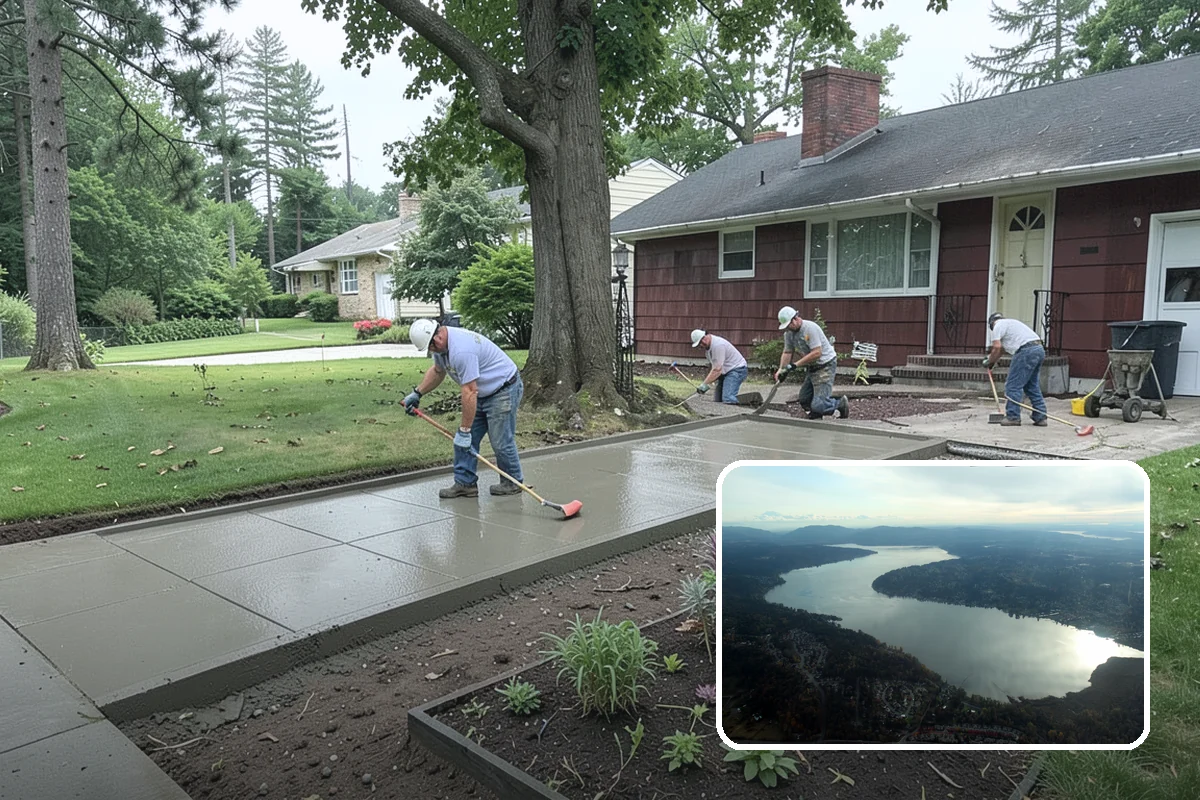
Local Service Information
Sammamish
A residential plateau city on the east side of Lake Sammamish.
Benefits
Crisp, defined lines between lawn and beds; Contains mulch and rock in place; Stops grass from invading beds; Durable materials that hold for years; Less trimming and bed maintenance
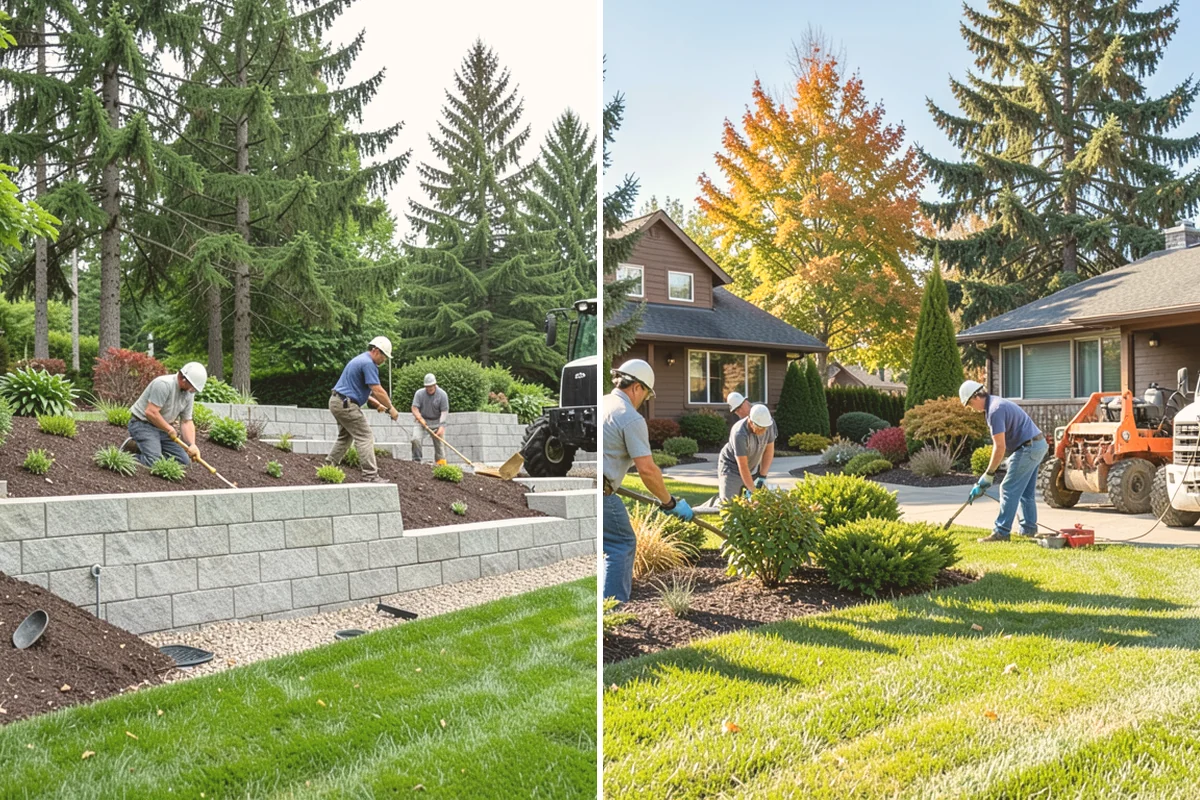
Process

Also serving Sammamish
- Debris Cleanup in Sammamishat Washington Tree Services
Get a Free Landscape Edging Installation Estimate in Sammamish
Tell us about your project. We’ll review your needs and provide a customized, no-obligation proposal.
Request a Free Consultation
Complete the form or call our team to discuss your project.
On-Site Assessment
We’ll review your property, discuss your goals, and recommend an appropriate solution.
Receive a Customized Proposal
Receive a detailed estimate outlining the proposed work and pricing.