Shaping Your Outdoors. Surpassing Expectations.

Sammamish Nandina Pruning
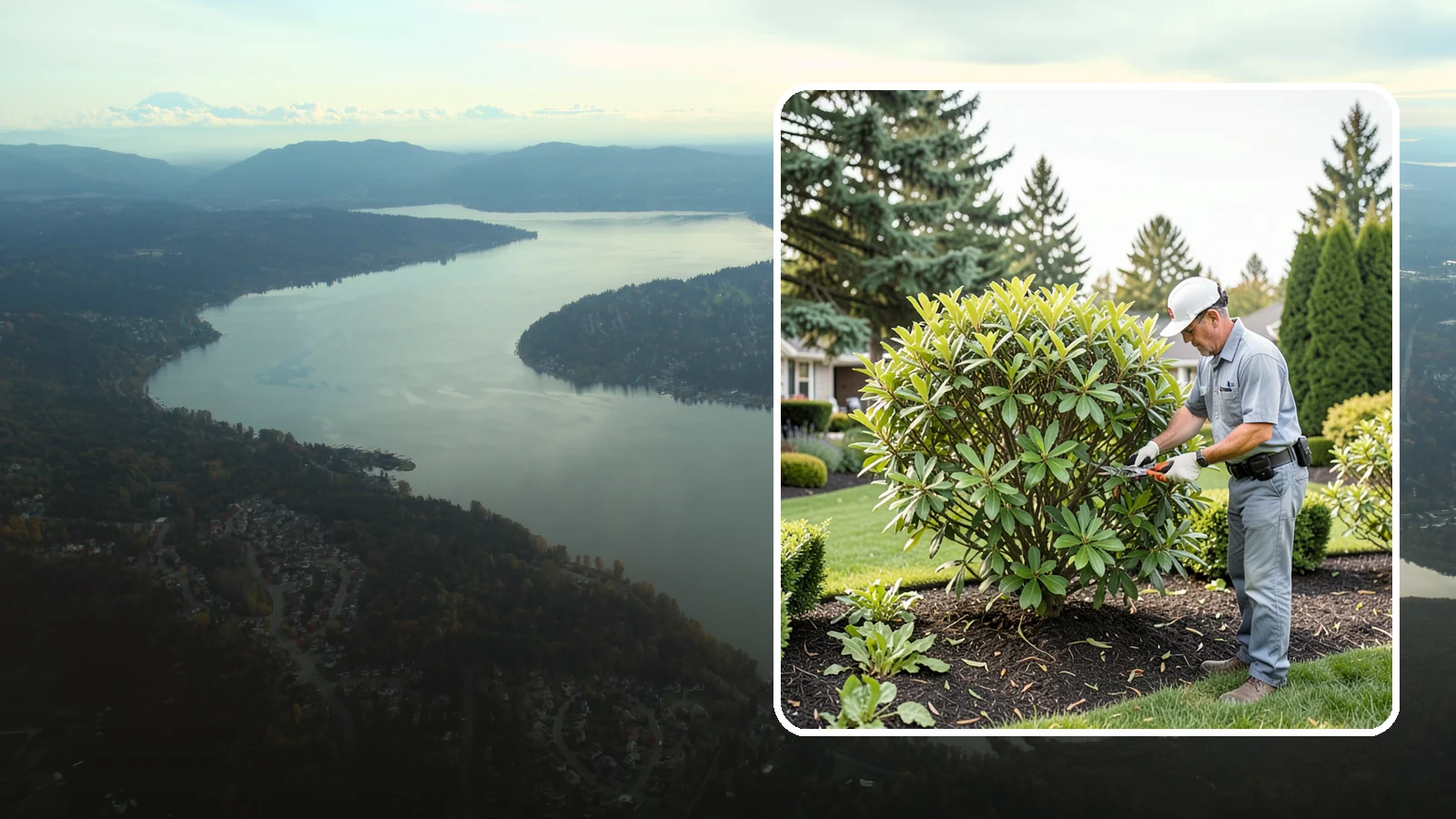
Cane-by-cane thinning of nandina to renew the plant, control height, and maintain its graceful, layered appearance.
For nandina in Sammamish, late winter into early spring makes the most sense, before new growth starts. The median frost-free season runs from about Mar 24 to Nov 14, so cutting in the weeks before late March lets the plant put its energy into fresh shoots. Frost can come earlier or later in any given year, so we watch the weather rather than the calendar alone.
Nandina is a tough shrub, but old plants get leggy, bare at the base and top-heavy. Washington Landscaping prunes nandina in a way that restores shape and keeps the plant's natural, airy look. Estimates are free.
Planning Nandina Pruning in Sammamish, WA
Good nandina pruning starts with a look at the plant. Nandina grows as a cluster of upright canes. Over the years those canes get tall and bare, with foliage only at the top. The standard fix is to cut the oldest canes at different heights, down to the ground or to staggered levels, so new leafy growth fills in from below. Taking out a third of the canes each year is a common approach and avoids a sudden bare look.
What affects the scope
Size and age matter most. A neglected hedge with thick, woody canes takes more time than a plant pruned every year. Access matters too. Nandina is often planted tight against fences, foundations or walkways, which slows cleanup.
Light is another factor. Tree canopy covers about 40.6% of Sammamish (USFS/NLCD 2025), so many yards have shade. Nandina in shade tends to stretch and thin out, and it may need a different cutting plan than one in full sun. Your own yard may differ from the city average, so we judge each plant where it stands.
Cold can also play a part. Sammamish is mostly USDA zone 8b, with parts of the city from 8b to 9a. Nandina handles that range well, but a hard freeze can burn leaf tips. We wait until that damage shows before cutting it back, so we are not guessing.
What to expect
We start by walking the planting with you and agreeing on how much to take off and how tall you want it to end up. Then we cut, clear the debris and haul it away or leave it as you prefer. Expect the plant to look sparse right after a heavy cut. New growth usually appears in spring, though results vary by plant. Washington Landscaping has an ISA Certified Arborist on staff, which helps if the nandina sits near a tree you are also worried about.
Practical tip: if berries are a mess on your patio or in a pet area, ask us to cut the berry clusters before they ripen, or note that when you request your estimate.
Sammamish yard conditions at a glance
| USDA hardiness zone (2023) | 8b (parts 8b to 9a) |
|---|---|
| Last / first frost (median) | Mar 24 / Nov 14 |
| Tree canopy | 40.6% of the city |
| Share of rain October to April | 80% |
| Dry months (under 1.25 in) | July and August |
A year in a Sammamish yard
- Late winter
- Dormant pruning for most deciduous trees and shrubs, before buds break.
- Spring
- Last frost is usually around Mar 24; in 1 year in 10 it comes on or after Apr 10. Plant frost-tender annuals and vegetables after that.
- Early summer
- Check sprinklers and drip lines before July, the start of the dry months here.
- Summer
- July and August average 0.7 in and 1.2 in. Water deeply and less often; mulch beds to hold moisture.
- Fall
- Aerate, overseed and plant trees and shrubs while the soil is warm; first frost is usually around Nov 14. Winterize irrigation before then.
- Winter
- About 34 days a year freeze at night and thaw by day: keep drains, paver joints and wall weep holes clear.
Dates are medians for the city from Daymet 2005-2025; your yard and any given year can differ.
Sources: Daymet daily weather (NASA/ORNL), 2023 USDA Plant Hardiness Zone Map data (PRISM, Oregon State University), USDA SSURGO soil survey, USGS 3DEP elevation, USFS/NLCD tree canopy 2025, US Census ACS 2020-2024.
Sammamish Nandina Pruning
Local Service Information
Sammamish
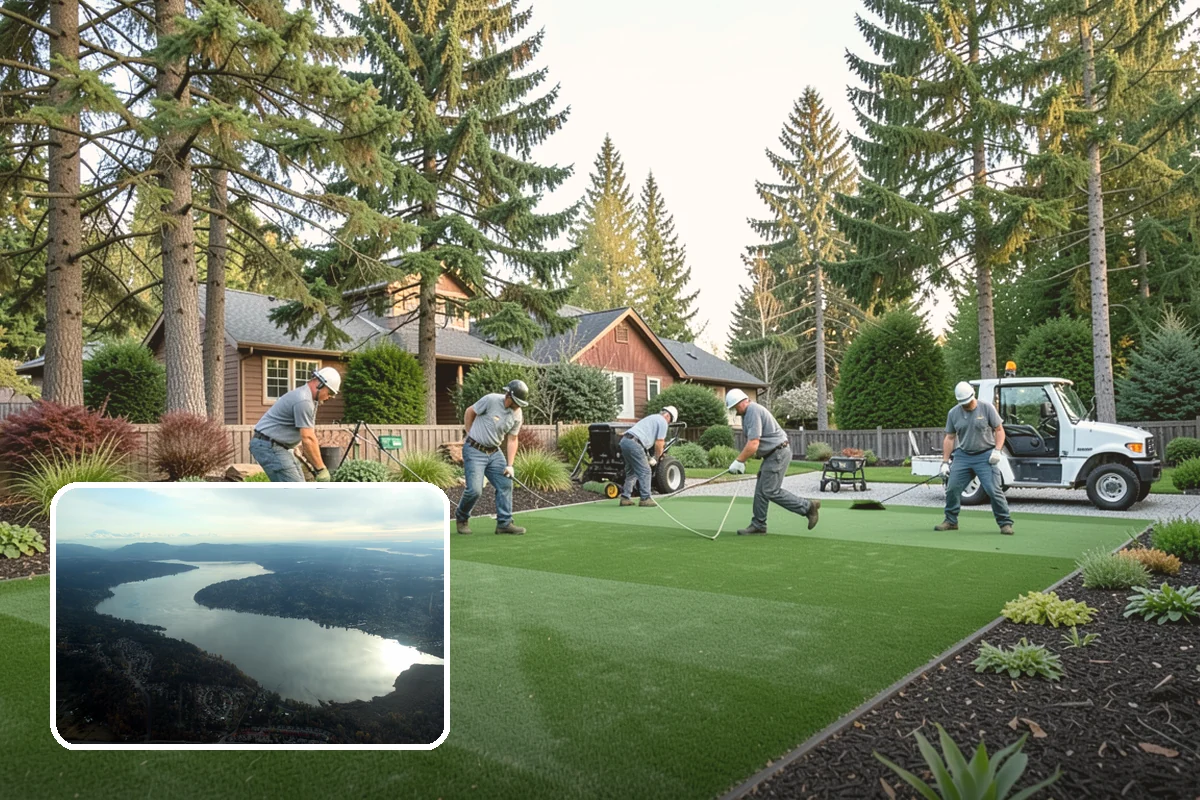
A residential plateau city on the east side of Lake Sammamish.
Benefits
Preserves the natural layered, tiered form of the plant; Renews the shrub by removing old canes at the base; Keeps foliage full from top to bottom rather than leggy; Controls height near windows, walks, and foundations; Encourages fresh growth and good color
Process

Also serving Sammamish
- Shrub pruning in Sammamishat Washington Tree Services
Get a Free Nandina Pruning Estimate in Sammamish
Tell us about your project. We’ll review your needs and provide a customized, no-obligation proposal.
Request a Free Consultation
Complete the form or call our team to discuss your project.
On-Site Assessment
We’ll review your property, discuss your goals, and recommend an appropriate solution.
Receive a Customized Proposal
Receive a detailed estimate outlining the proposed work and pricing.